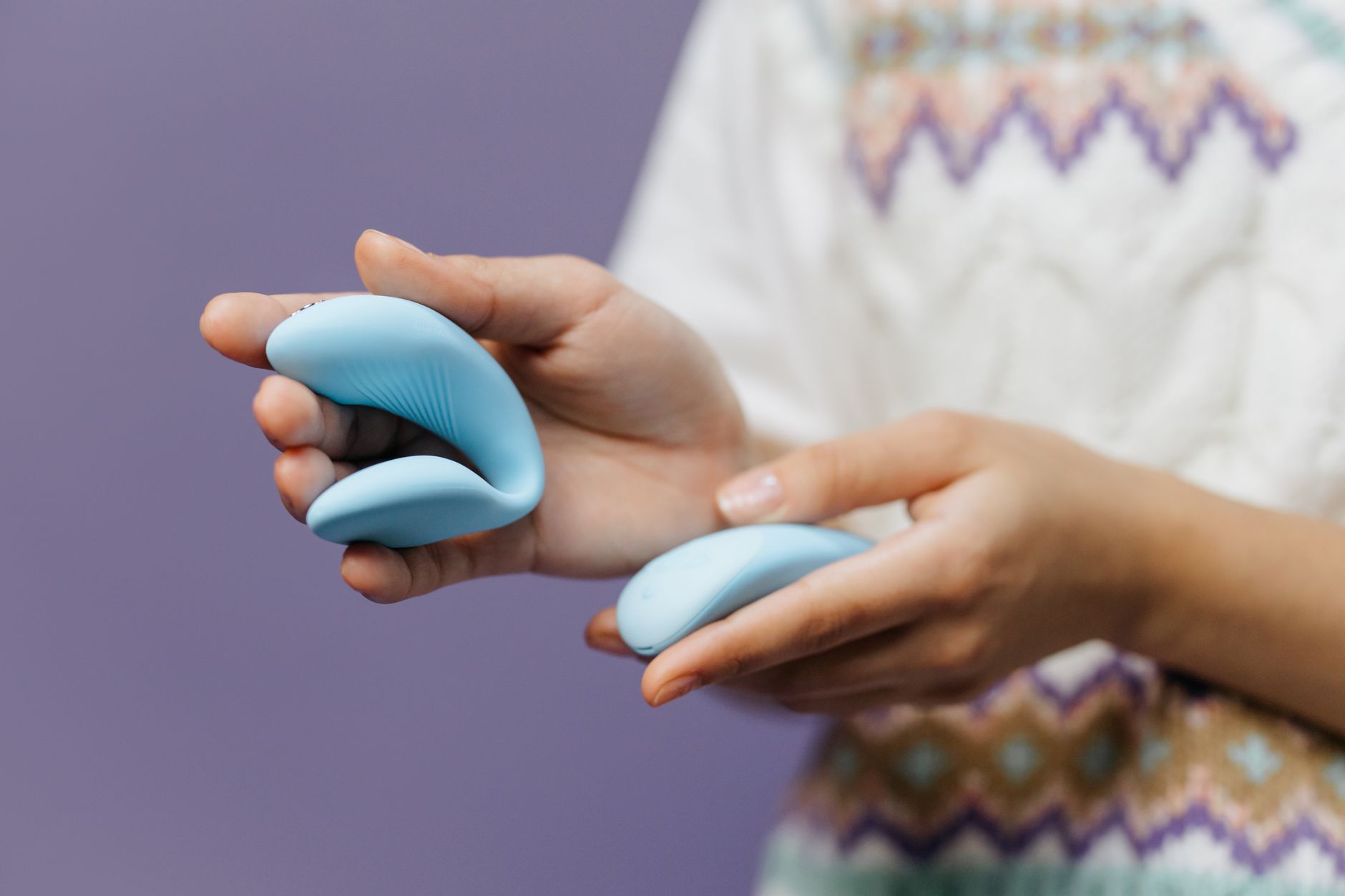
The physical aftermath nobody talks about
Infidelity doesn't just damage trust. It damages the nervous system. When betrayal happens, your body goes into protection mode. Arousal feels risky. Touch feels suspect. Even if your partner did everything right afterward, your skin remembers that something went wrong.
This is why rebuilding intimacy after infidelity is not just an emotional conversation. It's also a sensory one. And it's why solo pleasure tools like lemon vibrators become unexpectedly valuable during this stage of recovery.
Why pleasure matters in recovery (more than you think)
Here's the counterintuitive part. After betrayal, many people suppress their own pleasure as a way of punishing themselves or maintaining control. The logic goes: "If I'm not feeling good, I can't be hurt again." Your nervous system believes this is protective. It's actually the opposite.
When you rebuild your capacity for pleasure in a safe, solo context, you're teaching your brain that sensation is still available to you. That you still deserve it. That your body is still yours. This is foundational work before partnered intimacy can truly return.
Research on trauma recovery shows that regaining agency over your own pleasure is one of the fastest ways to rebuild confidence. It's not about the orgasm itself. It's about reclaiming the signal that your body can feel good without conditions, without risk, without permission from anyone else.
The timing question (when to start)
There's no universal timeline, but I typically see two phases that work:
Phase one: Solo rebuilding (weeks 2-8 after disclosure). Your body needs to learn that pleasure is still possible in isolation. This isn't about avoiding your partner. It's about restoring your own sensory baseline before you invite them back in. A clitoral vibrator during this phase is remarkably practical. It works fast, the sensation is clear and unambiguous, and you're in complete control of intensity and pacing. Many of my clients report that consistent solo sessions during this window actually make partnered intimacy feel safer later, because they've practiced being present with sensation again.
Phase two: Reintegration (weeks 8 onward). Once you've reclaimed solo pleasure, introducing shared pleasure becomes an act of choice rather than obligation. Some partners use lemon vibrators together. Some don't. The point is that by then, you've already restored the foundation.
How your nervous system responds to the Lem design
The reason lemon adult toys work particularly well here is the suction mechanism. Unlike vibration alone, suction creates a rhythmic pulse that your nervous system recognizes as soothing. It mimics the kind of rhythmic stimulation that calms a dysregulated nervous system. You're not just getting aroused. You're getting calmed while you arouse.
This dual action matters more after betrayal than it does in other contexts. Your body is scanning for danger while it tries to open. Suction-based stimulation is gentle enough that you're not fighting your own protection system. You can actually relax into sensation.
Start on the lower settings (patterns 1-3). The goal isn't intensity. It's consistency and safety. Spend 15-25 minutes, ideally at the same time each day. Your nervous system responds well to routine. It signals: "This is safe. This happens regularly. You can let your guard down."
What to expect emotionally (the messy part)
Pleasure after betrayal is not linear. Some days you'll feel liberated and reconnected to your body. Other days you'll feel angry, or disconnected, or weirdly guilty. All of these are normal.
One client described it as feeling like her own traitor. Her body wanted pleasure while part of her mind was still processing betrayal. That dissonance is real. It doesn't mean you're doing it wrong. It means you're integrating something difficult.
If you hit a wall where solo pleasure feels impossible, don't push. That's your nervous system communicating a boundary. Sit with it. Take a break. Talk to a therapist if you have access. There's no deadline on this recovery.
How to move from solo to shared pleasure (if and when)
When your partner is ready to be part of your pleasure again, lemon vibrators offer a bridge that's less charged than many alternatives. You've already built skill and comfort with the tool. Your partner doesn't have to perform or compete with it. Instead, they get to witness your pleasure, which is often more restorative for both of you than trying to recreate what happened before.
Some couples introduce the vibrator during foreplay. Others use it as solo foreplay before partnered sex. Some never bring it into partnered time, and that's also fine. The point is that you've reclaimed the tool as yours.
One critical boundary: if your partner is using the lemon vibrator as a way to avoid engagement with you, or if it feels like a replacement rather than a supplement, that's worth examining together. Rebuilding intimacy requires presence from both people. Tools can help. They can't do the emotional work.
When to involve a professional
If you're more than 12 weeks out and solo pleasure still feels impossible, or if partnered intimacy feels dangerous rather than risky, therapy is worth pursuing. A trauma-informed therapist can help you process the nervous system impact of betrayal in ways that solo pleasure alone can't address.
Similarly, if you and your partner are trying to rebuild together and the sexual dynamic feels fundamentally broken, a sex therapist (different from a couple's therapist, though both can help) can offer tools specific to restoring that connection.
Recovery from infidelity is possible. Intimacy can return. Your capacity for pleasure doesn't get deleted by betrayal. It just goes offline temporarily. Lemon clitoral vibrators are one practical way to bring it back online.
People also ask
Is it okay to use vibrators alone while trying to rebuild intimacy with my partner?
Absolutely. In fact, solo pleasure is often more restorative than jumping straight back into partnered sex. When you rebuild your capacity for sensation in a safe, solo context, you're not only reclaiming your own pleasure. You're also signaling to your nervous system that touch and arousal are still possible. This foundation makes partnered intimacy feel safer and less loaded with expectation. Many therapists specifically recommend this during the early recovery phase after infidelity.
Will using a lemon vibrator make my partner feel inadequate or replaced?
It might initially, especially if there's shame on either side. This is why communication matters. The vibrator isn't about his or her inadequacy. It's about your nervous system needing time to rebuild safety. Framing it as solo recovery work rather than a commentary on the relationship can help. If your partner continues to feel threatened by your use of a lemon vibrator or any toy, that's worth exploring together, possibly with a therapist. Healthy partnerships include space for solo pleasure.
How long does it typically take to rebuild sexual confidence after infidelity?
There's no universal timeline, but most of my clients report a noticeable shift in their capacity for pleasure around the 8-12 week mark of consistent solo practice. That said, full recovery of intimacy in the relationship can take 6 months to 2 years, depending on the depth of betrayal, the quality of the repair work, and other stressors. Pleasure rebuilding is one part of a larger healing process. Be patient with yourself.
Can using vibrators together help rebuild trust after infidelity?
Possibly, but not as a first step. Shared pleasure works best after you've individually rebuilt your capacity for sensation. If you move to partnered use too quickly, the vibrator can become another site of performance anxiety rather than healing. Once you've done solo work and feel genuinely safe again, introducing lemon vibrators as a shared experience can deepen connection because there's no pressure. You're exploring together rather than you performing for him or her.
What if I feel guilty about having pleasure while my partner is dealing with the consequences of infidelity?
That guilt is common, and it's worth examining. But here's the reality: your pleasure is not a zero-sum game with your partner's consequences. You deserve to feel good in your own body, regardless of what happened. In fact, reclaiming your pleasure is part of your recovery. Denying yourself sensation as a form of penance doesn't accelerate healing. It just deepens disconnection. Your partner's guilt or consequences are theirs to process. Your pleasure is yours to reclaim.
Can clitoral vibrators help if I'm still deciding whether to stay in the relationship?
Yes, actually. Solo pleasure work can help clarify what you want, because it reconnects you to your own body and your own desires separate from the relationship narrative. Some people discover through this process that they want to stay and rebuild. Others realize they want to leave. Both are valid outcomes. The important thing is that you're making the decision from a place of reconnected self-knowledge rather than from a place of shutdown and protection.
The bottom line
Rebuilding intimacy after infidelity is slow, nonlinear, and frustrating. There's no cheat code. But there is intentional work you can do to restore your own capacity for pleasure and sensation while your relationship heals. Lemon vibrators, used thoughtfully during the solo recovery phase, can be a powerful part of that work. Your nervous system learns that pleasure is still yours to access. Your body learns to relax again. Your confidence rebuilds.
If you're ready to begin this work, start small. Commit to consistency rather than intensity. And know that reaching out for professional support—whether from a therapist, a sex therapist, or a relationship coach—is a sign of strength, not weakness. You deserve to feel good again. Your body deserves that. And your relationship, if it's going to heal, deserves a partner who's reconnected to their own pleasure and their own worth.
For more on rebuilding after relationship shifts, read about how to use lemon vibrators when you want consistent pleasure after relationship changes or explore how to use lemon vibrators when transitioning to a new partner.