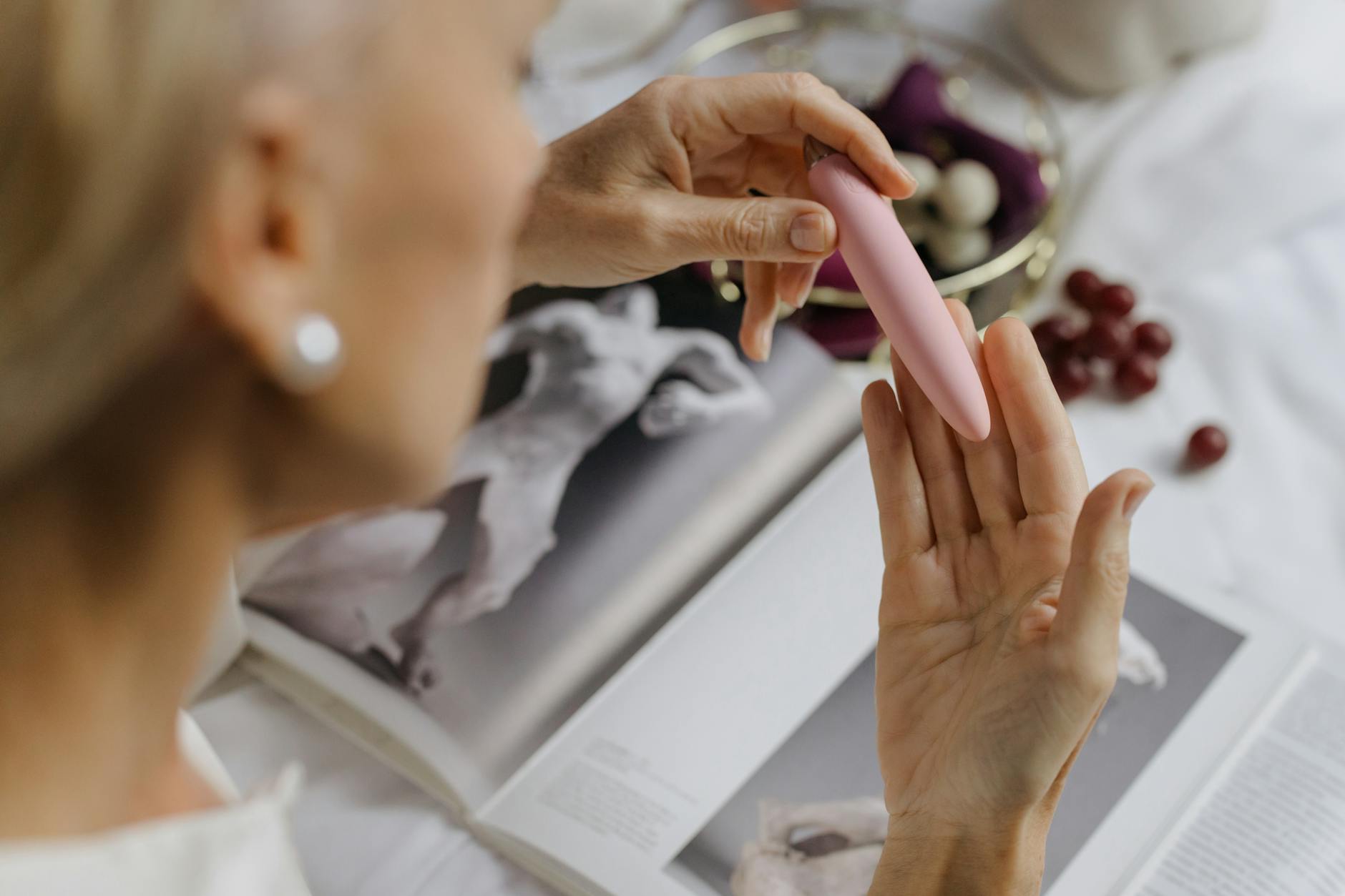
Here's what nobody tells you about pleasure after things fall apart
When a relationship ends or pivots, your body goes into a kind of lockdown. Not because desire is gone. Because trust is. You've built your pleasure response around another person's presence, rhythm, and touch. Suddenly that framework is gone. Your nervous system doesn't know how to respond to stimulation without that external structure anymore.
That disconnection is real, and it's not a personal failing. It's exactly why learning to use lemon vibrators for solo pleasure after relationship changes is one of the most grounding things you can do right now.
Why relationship transitions scramble sensation
When you've been having partnered sex for years, your arousal pathway gets trained. You respond to their touch, their voice, their presence. Your nervous system learns: "When partner is here, pleasure is available." Then the relationship ends or changes, and that neural pathway goes quiet. You're not numb. Your brain is just waiting for a cue that doesn't come.
Add to that the emotional weight. After a breakup, you might feel:
- Disloyal exploring pleasure solo when the relationship is still fresh
- Self-conscious about wanting pleasure on your own terms
- Disconnected from your body because it's tied to memories of them
- Unsafe, which makes arousal nearly impossible
Clitoral vibrators, particularly ones like the Lemon's air-suction design, bypass some of that emotional noise. They're not trying to replicate what your ex did. They're introducing a completely different sensation pathway. That novelty is actually healing.
The nervous system reset that matters
Here's the physiology piece: your parasympathetic nervous system (the one that allows pleasure) has learned to activate in response to partnered cues. When those cues disappear, arousal becomes harder to access. Using a lemon vibrator regularly rewires that pathway. You're teaching your body: "Pleasure is available to me, alone, on my schedule."
This isn't about replacing partnership pleasure. It's about decoupling arousal from relationship status. People who do this consistently report that when they re-enter partnered situations, they have better orgasms because they're not dependent on their partner's presence to feel permission.
Three neurological shifts happen when you establish a solo pleasure practice with a clitoral vibrator:
1. You rebuild trust with your body. Your nervous system gets evidence that you're safe exploring sensation without external validation.
2. You interrupt the shame cycle. If you're carrying guilt about pleasure after a breakup, deliberate practice desensitizes you to that guilt. Repetition normalizes it.
3. You separate arousal from attachment. You're not linking pleasure to another person's presence anymore. This is profound freedom.
Rebuilding confidence with a lemon clitoral vibrator
Start small and consistent. Not intense. Consistency rewires the nervous system faster than intensity does.
Pick a time when you have privacy and zero time pressure. Twenty minutes, once or twice a week. This isn't about orgasming. It's about sensation.
Use your lemon vibrator on the lowest setting for the first three sessions. Let yourself just feel the vibration. Don't try to orgasm. Your job is to notice: What does this feel like? Where is the sensation strongest? What patterns feel good?
After three baseline sessions, you can explore higher intensities or different rhythms. But give yourself permission to stay gentle for longer than feels necessary. Healing happens in repetition, not in rushing to climax.
If nothing happens the first few times, that's completely normal. Your parasympathetic nervous system is still figuring out that pleasure is safe right now. Keep showing up without expectation. The body responds to consistency, not pressure.
Emotional permission work (yes, this is part of using the vibrator)
You need to give yourself explicit permission in your own voice. Not in your head. Actually say it out loud, alone:
"My pleasure belongs to me."
"I deserve sensation whether or not I'm in a relationship."
"Exploring my body is not disloyal to my past relationship."
I know that sounds absurd. It works because shame thrives in silence. Speaking permission aloud makes it real to your nervous system in a way thinking about it never does.
Many people find that journaling before or after vibrator use helps too. Write down what emotions came up, what felt good, what felt confusing. This isn't deep therapy. It's data collection that helps you untangle what's physical pleasure from what's emotional baggage.
When to reach out for support
If you're using a lemon vibrator consistently and pleasure still feels blocked after six weeks, that's a sign to talk to a therapist who specializes in sexuality or relationship recovery. Sometimes pleasure doesn't come back on its own timeline because there's unprocessed grief, anger, or safety violation underneath.
That's not a failure. That's information that you need professional support alongside solo practice.
Similarly, if you notice that using the vibrator triggers intense sadness or shame that doesn't ease, don't push through it alone. Talk to someone. Rebuilding pleasure after relationship upheaval is supposed to feel grounding, not traumatizing.
Transitioning back to partnered pleasure (when and if you want to)
One of the unexpected benefits of rebuilding solo pleasure first: you know your body better when you re-enter partnership. You can tell a partner what patterns feel good. You've proven to yourself that you can experience pleasure independently, which paradoxically makes partnered sex better. No pressure. No dependency.
If you do start seeing someone new, you don't have to hide your vibrator or your practice. [How to Use Lemon Vibrators With a New Partner Without Feeling Self-Conscious] covers this in detail. But the foundation you're building now. Solo, consistent, grounded. That's portable. That comes with you.
Your lemon vibrator isn't a replacement for partnership. It's a bridge. A way to tell your nervous system: "I am safe. Pleasure is available to me. I don't need permission from someone else to explore my own body."
That's the real reset that matters.
Practical starting point
If you're reading this and feeling stuck about where to begin:
- Pick a private time this week. Tomorrow, if possible.
- Get your vibrator charged and ready.
- Give yourself 15 minutes. No phone, no pressure to orgasm.
- Start at the lowest setting. Just notice.
- Do this again in three days.
That's it. Consistency beats perfection. Your body will respond to showing up, even if it feels mechanical at first.
People also ask
How long does it take to feel pleasure again after a breakup using a vibrator?
Every body is different, but most people report noticeable shifts in sensation and confidence within four to six weeks of twice-weekly practice. Some feel reconnected within two weeks. Others need eight weeks. The nervous system operates on its own timeline. Consistency matters more than speed. If you're still feeling completely numb after eight weeks, that's worth discussing with a therapist, because sometimes relationship trauma runs deeper than solo practice can address alone.
Is it normal to feel guilty using a vibrator after a breakup?
Completely normal. Many people carry a subconscious belief that solo pleasure is "wasting" sexuality that should be reserved for partnership, or that exploring pleasure too soon after a breakup is disloyal. Those beliefs usually come from early messaging about sex being relational only. They're not true, and they fade faster when you actively practice replacing them. Every time you use your lemon vibrator guilt-free, you're rewiring that old script.
Can using a clitoral vibrator help if I feel numb down there after heartbreak?
Yes, often. Emotional numbness sometimes shows up as physical numbness because the nervous system shuts down pleasure as a protective mechanism. A vibrator, especially one like the Lemon with air-suction stimulation, can help wake up that sensitivity by introducing novel sensation. Start gentle and patient. Your body is protecting you. Sensation returns when your nervous system feels safe again.
Should I tell a new partner about my solo vibrator practice before or after we get intimate?
There's no "should." Some people mention it early because it's part of their self-care. Others wait until intimacy feels safe and established. What matters is that you're not hiding it out of shame. [How to Use Lemon Vibrators With a New Partner Without Feeling Self-Conscious] walks through this conversation in detail, but the short version: if you're comfortable with your own pleasure, that comfort is magnetic. Partners pick up on that.
What if I can't orgasm with my vibrator even after weeks of trying?
Orgasm isn't the goal in early rebuilding. Sensation is. If you're feeling vibration, noticing what patterns your body responds to, and showing up consistently, that's successful practice even if orgasm isn't happening yet. Some people need months or years to get back to reliable orgasms after relationship trauma. That's not broken. That's healing on schedule. If this is frustrating you, zoom out and focus on pleasure and comfort instead of orgasm as the target.
Can lemon vibrators help if my new relationship triggers old relationship anxiety?
Yes. Having a reliable solo pleasure practice gives you something that's entirely yours, untouched by the new relationship. It's an anchor. When anxiety about the new relationship spikes, you have evidence that your body can experience safety and pleasure independently. That grounds you. It also means you're not putting all your pleasure responsibility on your new partner, which actually takes pressure off partnership intimacy.
Moving forward
Rebuild pleasure on your terms. Not on your ex's timeline, not on some imaginary "healthy" schedule, not because you think you should. Use your lemon vibrator because you deserve sensation and safety in your own hands. That foundation you're building now isn't temporary. It stays with you.