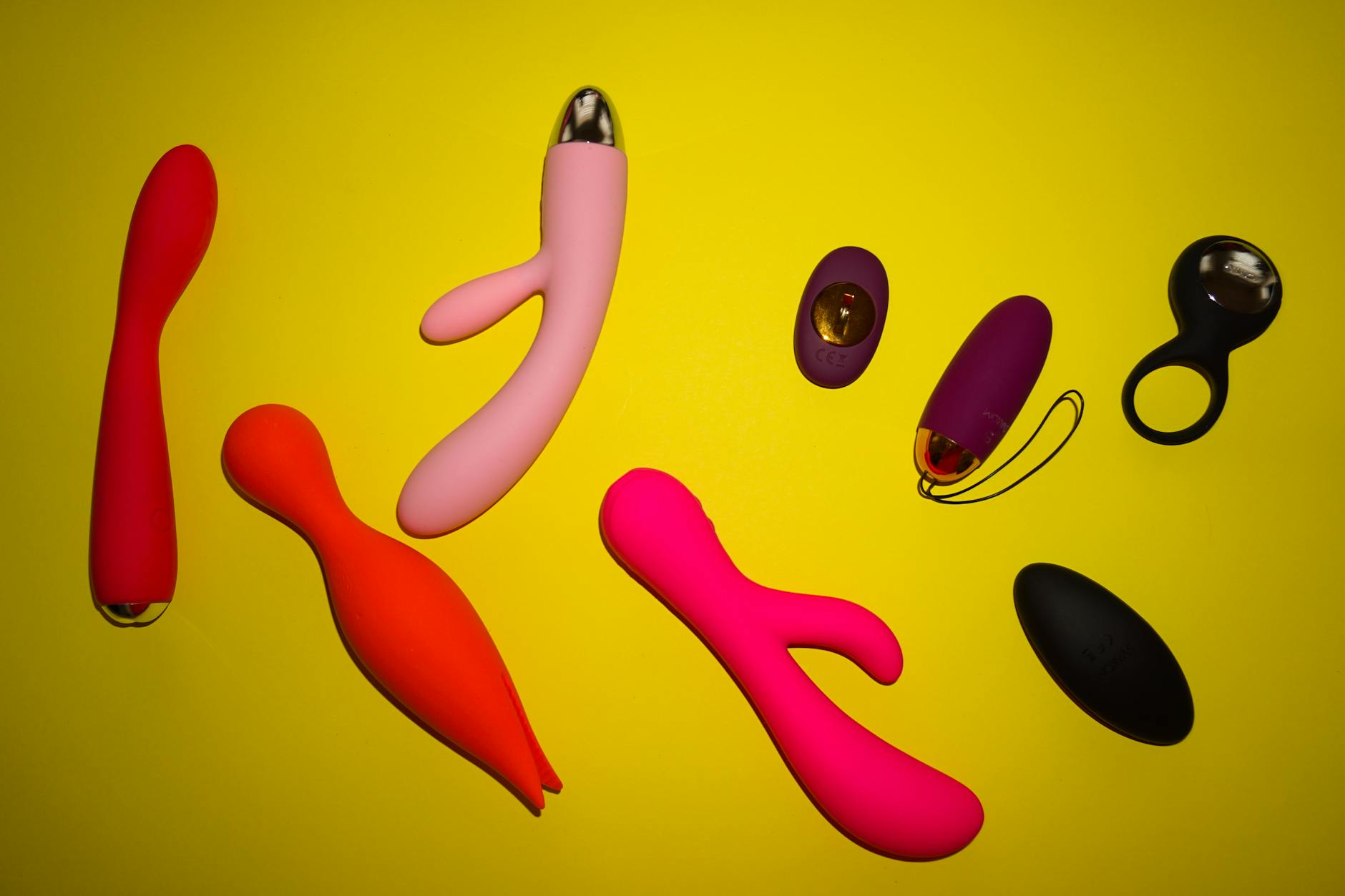
The thing nobody tells you about solo pleasure
There's a difference between being alone and knowing how to pleasure yourself. One is a fact. The other is a skill. If you've spent most of your intimate life with a partner—whether that's five years or twenty—moving to solo exploration feels weirdly vulnerable, even when it's exactly what you want.
You might feel disconnected from your own body. Or guilty for wanting time that's only yours. Or frankly, just out of practice.
Here's what I know from my work with clients navigating this transition: lemon vibrators aren't a replacement for partnered sex. They're a gateway back to yourself. And that matters more than you might think.
Why the shift feels harder than it should
Intimacy with a partner is collaborative. You're reading someone else's body, responding to their rhythm, adjusting for their pleasure or their comfort. That's beautiful, but it also means your own arousal patterns get buried under someone else's. Over time, you might not remember what you want without checking in with them first.
When you move to solo play, the stakes feel inverted. There's no one to please but yourself. Which sounds freeing until you realize you've forgotten how to do it—or you've never really learned.
Add in the emotional weight of a breakup, divorce, or relationship change, and self-pleasure can feel selfish rather than nourishing. Your nervous system is already hypervigilant from loss. The idea of sitting alone with your own desire feels risky.
It's not. It's actually the opposite.
The psychological reset you need first
Before you buy anything, before you carve out time, you need to reframe why you're doing this. Solo pleasure isn't consolation. It's reclamation. It's choosing to stay connected to the part of you that wants and feels, even when that's hard.
From a nervous system perspective, pleasure is one of the fastest ways to shift out of anxiety or grief. When you're in arousal, your brain isn't running the