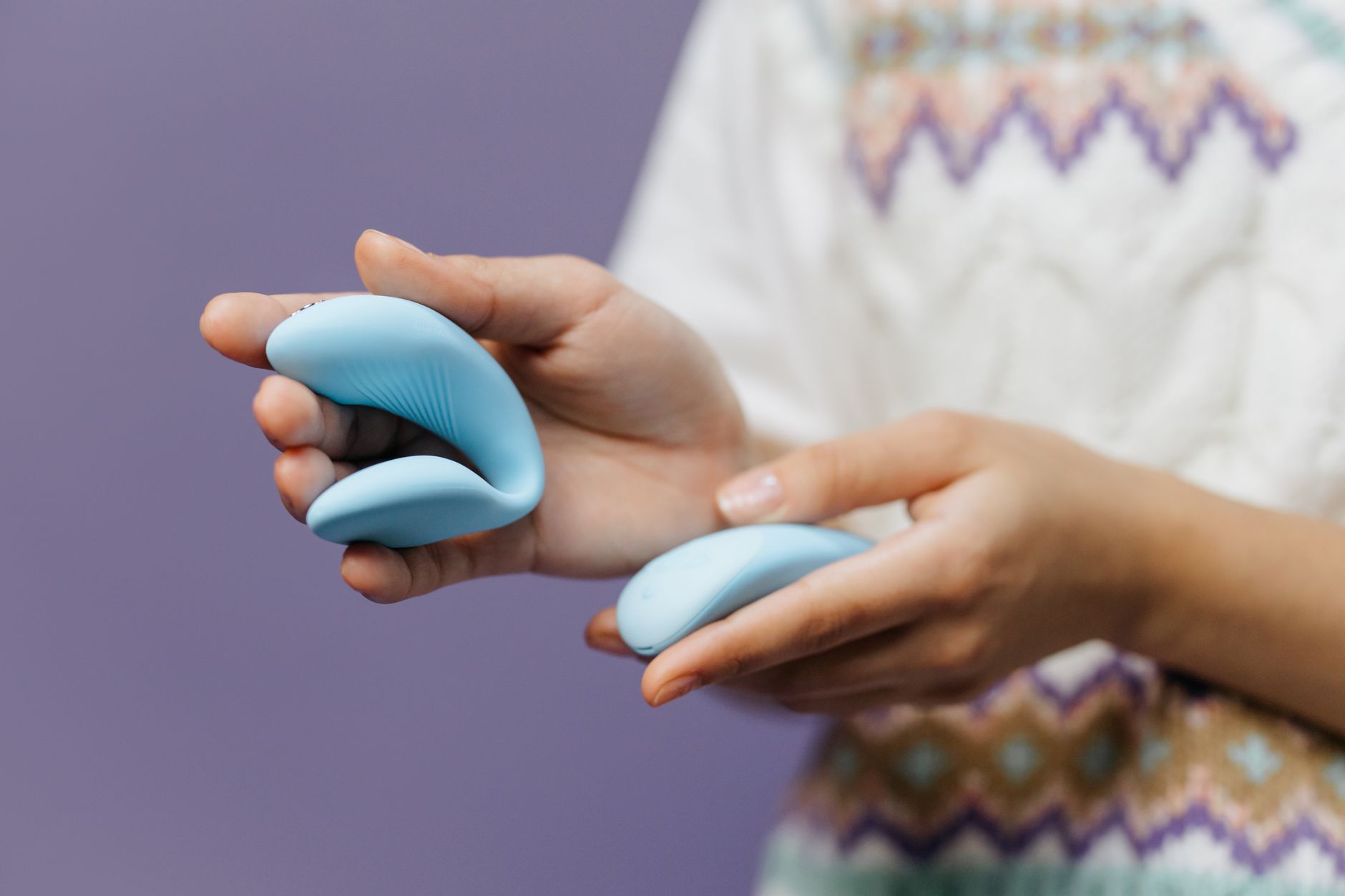
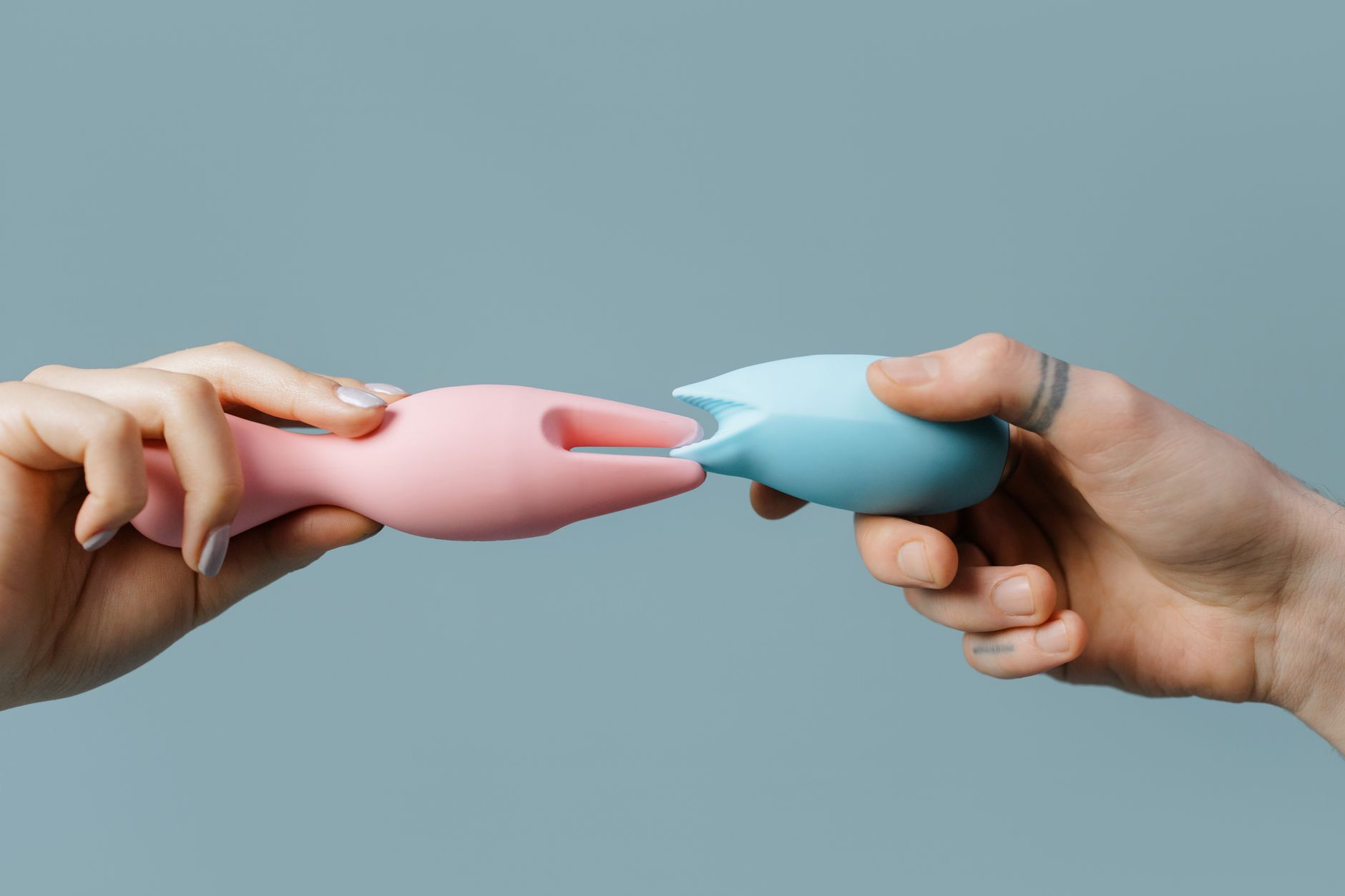
Your partner loves you. They're trying. And their fingers, tongue, or vibrations simply cannot deliver the intensity your body needs to come reliably. This is not a failure on their part, and it's not a flaw in your relationship. It's anatomy meeting physics. Human hands have limits. Electric vibration doesn't.
Most couples I work with never talk about this directly. Instead, they develop a silent agreement: pretend it's fine, have less sex, or perform orgasms that don't actually happen. All of those erode intimacy far more than simply saying "I need something stronger."
Clitoral sensitivity varies wildly from person to person, and it shifts across your cycle, your age, stress levels, and relationship status. Some people come easily with light touch. Others have never come without sustained, focused pressure that's physically difficult for a partner to maintain for the 10, 15, or 20 minutes their body might need.
That's not unusual. It's not a signal that something's wrong. It's just information about what your nervous system requires. A partner's hand gets tired. Vibration doesn't. Vibration also provides consistent frequency and pressure that human touch can't replicate. Using a lemon clitoral vibrator isn't a workaround for a broken partnership. It's a recognition that pleasure is collaborative, and sometimes collaboration means bringing in tools.
Don't lead with "Your hands aren't enough." That lands like criticism even when it isn't meant that way. Lead with desire instead.
"I've been thinking about what makes me feel most satisfied, and I realized I want to explore using a vibrator together. Not instead of you.with you. I want you to be part of it."
Frame it as exploration, not replacement. Most partners feel relief when this conversation happens. They're often carrying the same tension you are: the sense that something isn't quite working, but not knowing how to fix it.
The Lemon clitoral vibrator works beautifully here because it's designed for precision. It's not replacing penetrative sex or partner touch. It's amplifying the kind of direct clitoral stimulation that often delivers the intensity you need. Your partner can hold it. You can. You can use it together in ways that feel collaborative, not solitary.
Start with it present, not active. Let your partner hold The Lemon during foreplay without turning it on yet. This normalizes the object. It becomes less of a foreign intrusion and more of an extension of what you two are already doing.
They control the intensity. This shifts the power dynamic slightly. You're not asking them to do something they can't. You're asking them to use a tool to deliver what you need. It's collaborative. Let them find the rhythm and pattern that makes you respond. This is information they'll carry into future intimacy without the toy.
Use it when you're close, not at the start. Most couples find this less jarring. You've already built arousal together. The vibrator arrives at the moment when it can tip you toward orgasm. Your partner watches you come. That's intimate. That's theirs to witness.
Talk during and after. "That pattern feels incredible." "Slightly higher, please." "Stay right there." This keeps the conversation going. It's not a silent transaction where the vibrator does all the work and your partner becomes a bystander.
Sometimes your need for intensity is orthogonal to partnered sex entirely. You have solo sessions where you use a lemon vibrator specifically because you want sustained, powerful stimulation that serves only your nervous system. That's healthy. That's also deeply different from couple's play.
If your partner feels threatened by solo vibrator use, that's worth examining separately from the couples dynamic. How to Use Lemon Vibrators When You're Solo Pleasure Feels Disconnected From Your Body explores that territory more fully. Right now, though, understand that your solo sessions aren't stealing from your partnership. They're actually teaching your body what it's capable of, which improves partnered sex when it happens.
The Lemon cycles through different intensity levels and patterns. Here's what couples often discover:
Low to medium patterns feel good for extended sessions and allow your partner to control the experience without overwhelming you. You can chat, stay present, maintain eye contact.
High intensity with intervals works when you're already very aroused. Your partner can turn it on, watch you respond, then pull back to let you cool slightly before building again. This creates a rhythm that human touch struggles to maintain.
Hold it in place versus moving it. Some partners like to press it against your clitoris and keep it still, letting vibration do all the work. Others like small movements. Ask. Experiment. Your body will tell you what creates the exact sensation you need.
Most couples report that sex becomes more frequent. When you're not silently worried that you won't come, sex becomes less fraught. Your partner feels more confident because they now have a tool that delivers results. You feel heard and prioritized because your actual needs, not a fantasy version of your needs, are being met.
You also both learn something. Your partner learns your body's real responses, not performed ones. You learn that asking for intensity isn't selfish or demanding. It's information. It's collaboration.
Some couples find that using a vibrator together shifts their entire relationship to pleasure. After all, if you can be this direct about what your body needs during sex, what else might you be able to ask for clearly?
You shouldn't feel guilty about wanting intensity your partner can't provide. But many people do anyway, especially if they were raised to believe that good partners are "enough" on their own. That's mythology. Good partnerships are ones where both people say what they actually need and the other person listens.
Your desire for stronger sensation is not a referendum on your partner's skill, strength, or dedication. It's a referendum on your body's design. Full stop.
Lead with curiosity, not criticism. "I've been thinking about adding something to our sex life that might help me come faster" feels collaborative. "Your hands aren't working for me" does not. Timing also matters. Don't bring this up mid-conflict or mid-intimacy. A quiet moment over tea works. You're asking for a conversation, not making an accusation.
That's a real fear for some people, and it deserves a direct answer. "This isn't about replacing you. It's about getting my body to where it needs to go so that I can fully enjoy being with you." And then follow through by ensuring they're part of the experience. Let them hold it. Let them control it. Make it a shared activity, not a solo transaction.
Completely normal. Arousal patterns shift with age, stress, hormones, and relationship satisfaction. What worked five years ago might not work now. That's not a sign of lost passion. It's a sign that you're paying attention to your own body.
Yes. Most people benefit from clitoral stimulation during or after penetration. A lemon clitoral vibrator pairs beautifully with penetration, whether that's with a partner or solo. You're not replacing one type of pleasure with another. You're layering them.
If the issue runs deeper than vibrator intensity.if there's disconnection, resentment, or communication breakdown.that's worth exploring with a couples therapist. How to Use Lemon Vibrators When Your Partner Wants Them Integrated Into Couples Play explores couples dynamics more thoroughly. But honestly, sometimes a vibrator solves the problem itself, because the problem was never emotional. It was physical.
The Lemon clitoral vibrator is designed specifically for precision stimulation. If you want something you can use solo and also hand to a partner, that's a solid choice. If you want something smaller and more discreet for travel, there are other options. Start with what appeals to you. Your body will tell you if it's the right fit.
Your body's need for intensity isn't a problem to solve. It's information to honor. Your partner likely wants to give you what you need. Most people do. Sometimes they just need you to tell them clearly what that is, and to introduce a tool that makes it possible. That's not settling. That's collaboration. That's intimacy built on honesty instead of performance.
You don't have to choose between intensity and partnership. You get both.