Let's talk about what surgery actually does to intimacy
Surgery interrupts more than just your body. It interrupts your sense of yourself as a physical being capable of pleasure. Whether you've had gynecological surgery, abdominal work, or something else entirely, there's a gap between "cleared for activity" by your doctor and actually feeling ready to be intimate again. That gap is real, and it matters.
Most people don't talk about this part. You get discharge papers, aftercare instructions, and clearance to resume "normal activity." What you don't get is a roadmap for rebuilding pleasure when your body feels foreign to you. That's what this is about.
Why post-surgery recovery changes pleasure differently than other disruptions
Here's the distinction: if you're rebuilding intimacy after a long absence or when anxiety interferes, your body hasn't been physically altered. But surgery actually changes your nervous system's sensitivity, your pelvic floor's stability, and your brain's relationship with that specific area of your body. You're not just reconnecting with an old version of yourself. You're meeting a new one.
After surgery, scar tissue forms. Even if the incisions are external or internal, your nervous system registers the area as "compromised" for a while. Sensation can feel muted, or weirdly heightened, or completely mismatched to what you remember. Your pelvic floor often tightens protectively. Your brain is running a subconscious "don't touch that" subroutine.
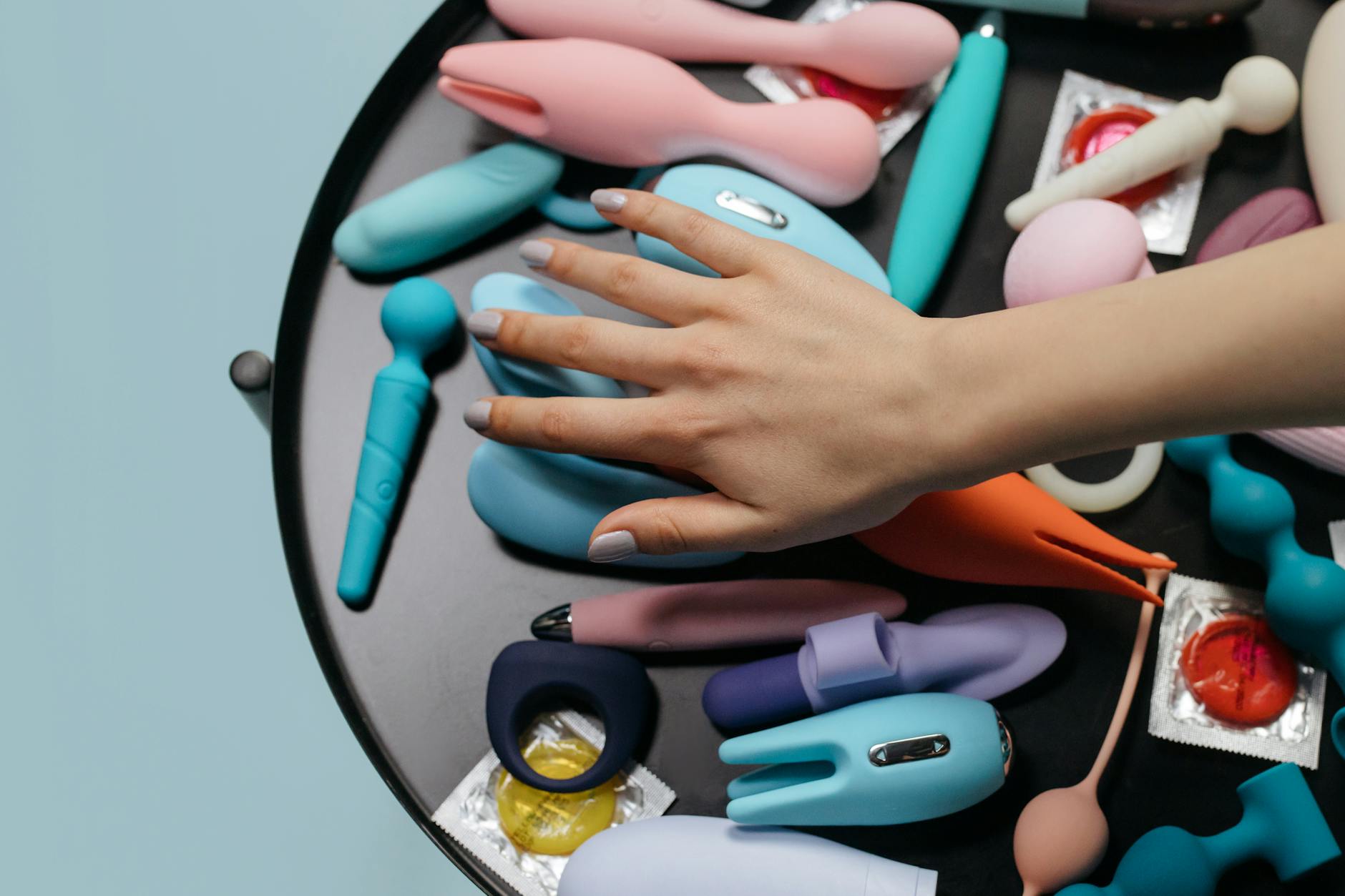
Clitoral vibrators like those from The Lemon Adult Toys can be a precise, controlled entry point back into pleasure because they let you dictate exactly how much sensation, when, and for how long. Unlike partnered touch or pressure-based stimulation, air-suction devices give you a non-invasive way to reactivate nerve endings without triggering protective tension in your pelvic floor.
The timeline question: when is actually safe to start?
Your surgeon gave you medical clearance, probably around four to six weeks post-op for most procedures. That's the green light to resume penetrative sex or partnered intimacy. But solo exploration with a clitoral vibrator is often safe earlier, and very gradually.
The rule I share with clients: wait until any active discharge has stopped, your incisions have sealed (no longer weeping), and you can move around without significant pain. For most people, that's three to four weeks. Even then, you're starting small. This isn't the time to jump back to your pre-surgery routine.
If you had gynecological surgery specifically, talk to your surgeon about whether there's any risk to external clitoral stimulation. Most of the time there isn't. If there is, they'll tell you. The information matters more than the assumption.
Phase one: gentle reintroduction (weeks 3-6)
Start on the lowest setting. If you're using a lemon clitoral vibrator, that means patterns 1 or 2. Apply it for 30 seconds at a time, then stop. Rest. Notice what you feel without judgment. Numbness is normal. Tingling is normal. A sense of disconnection is normal. Your nervous system is literally remapping the area.
Don't chase orgasm in this phase. That's the hardest part for people to accept, because the instinct is to push through discomfort. But your pelvic floor is already bracing. Adding performance pressure amplifies the guarding response and actually slows your healing.
Instead, think of this as a conversation with your body. You're saying, "Hey, I'm here. I remember what this felt like. Let's remember together." If it feels like nothing, that's information. If it feels tender or sharp, that's information. Stop immediately if you feel pain. Pressure or sensation is normal. Pain is your body saying not yet.
Phase two: building tolerance and sensation (weeks 6-10)
Once you're comfortable with 30 seconds at a time, extend to 60-90 seconds. Move to pattern 3 if patterns 1-2 feel like background noise. You're looking for sensation without tension. This is the phase where you start to notice if pleasure is returning or if something still feels off.
Many people report that sensation comes back unevenly. One side feels present; the other is still quiet. Your right side responds faster than your left. The tip is sensitive but the shaft feels muted. This isn't abnormal. Your body healed in layers, and sensation returns the same way.
Continue to rest between sessions. Two to three times a week is plenty. You're not training for intensity. You're rebuilding neural pathways that surgery interrupted.
Phase three: reintegration and patience (weeks 10+)
By this point, most people can use their clitoral vibrator like they did pre-surgery. But "most" isn't "all." Some people find that their sensitivity has shifted permanently, and that's okay. What worked before might not work now, and what didn't appeal to you might feel revelatory.
That's where the mind-body part matters. If you're expecting your post-surgery body to perform exactly like your pre-surgery body, you'll interpret any difference as failure. If you approach it as new territory, every discovery is a win.
If you're navigating this with a partner, this is also the time to have the conversation about what's changed and what that means for your shared intimacy. Some people find that rebuilding pleasure solo first makes partnered sex easier. Others prefer to rebuild together slowly. Neither path is right. What matters is that you've said it out loud.
The pelvic floor piece: why relaxation matters more than strength right now
Your pelvic floor has been protecting you. That's its job post-surgery. But a perpetually clenched pelvic floor keeps sensation dampened and makes arousal harder to access. So here's the counterintuitive part: right now, relaxation trumps Kegels.
Before you use your lemon vibrator, try this: lie down, breathe in for four counts, out for six. Feel your pelvic floor soften on the exhale. Do this three to five times. It's not fancy, but it signals to your nervous system that this space is safe again.
If you had specific pelvic floor injury during surgery, a pelvic floor physical therapist is worth the investment. They can show you exactly which muscles are holding tension and how to release them specifically, rather than guessing.
When sensation isn't returning: what that might mean
Most people get their sensation back within three months. Some take longer. If you're six months out and everything still feels muted, it's worth investigating.
Scar tissue can sometimes reduce nerve signaling, especially if the surgery involved the labia or vulva directly. Pudendal nerve irritation can create numbness or burning. Hormonal shifts post-surgery can affect lubrication and sensitivity. Psychological protective patterns can outlast the physical healing.
None of these mean you're broken. They mean you might benefit from a specialist's input. A pelvic floor PT, a gynecologist familiar with post-surgical recovery, or a sex therapist can help you figure out what's actually happening versus what you're assuming is permanent.
Partnered pleasure during recovery: how to include your partner safely
If you're in a relationship, your partner probably wants to know how to help and when they can be involved again. The honest answer: whenever you want them to be, as long as you're both clear about what's safe.
You can use your lemon clitoral vibrator with a partner present. Some people find that having their partner watch or participate in lower-intensity pleasure helps them feel desired again while maintaining the control and pacing they need. Some people prefer solo rediscovery first.
The key is communication. Don't wait until you're in the moment. Say it beforehand: "I want to feel like myself again, and that might look different than it used to. I need you to follow my lead for now." Then actually follow your own lead. Your partner's job isn't to know what you want. Your job is to tell them.
Grief is part of this too, and that's normal
If surgery changed your body permanently, or if your sensation never fully returns to baseline, there's legitimate grief in that. You're mourning the version of your body that existed before. That's not something you push through or rush past. You acknowledge it, and you rebuild from there.
Many people I've worked with find that after grieving, they discover a new kind of pleasure they didn't have before. Different doesn't always mean worse. But you have to let yourself grieve first, or "different" just feels like loss.
FAQ: Your post-surgery recovery questions answered
How long after surgery can I use a clitoral vibrator safely?
Most surgeons clear you for external genital stimulation around three to four weeks post-op, though internal penetration typically takes longer. Start very gently and stop immediately if you feel sharp pain. Pressure, tingling, or mild discomfort are normal sensations as nerves reawaken. If your specific surgery involved the clitoris or vulva directly, ask your surgeon for their timeline before starting any stimulation.
Will using a vibrator hurt my incisions or scar tissue?
No, if you're following your surgeon's clearance and starting gently. External clitoral stimulation doesn't put pressure on abdominal or gynecological incisions. The air-suction action of lemon vibrators is gentler than manual friction and won't disturb healing tissue. That said, if you feel sharp pain, stop immediately and contact your surgeon.
My sensation feels really numb down there after surgery. Is that permanent?
Almost never. Numbness is part of normal post-surgical recovery as your nervous system heals. Most people regain full or near-full sensation within three to six months. If you're beyond six months and sensation hasn't returned, a pelvic floor physical therapist or gynecologist familiar with post-surgical recovery can help identify whether you're dealing with scar tissue effects, nerve irritation, or something else.
Can I have partnered sex while my body is still recovering?
Your surgeon probably gave you a timeline for resuming penetrative sex. For external stimulation or non-penetrative pleasure, you have more flexibility as soon as you feel ready, usually sooner than full PIV. Start slowly, communicate clearly with your partner about what feels safe, and give yourself permission to stop if anything feels wrong.
What if my pleasure changed after surgery and doesn't feel the same anymore?
Change is real and it's worth noting, but it's not always negative. Some people find new pleasure zones after surgery. Others find that old sensations feel different. This might be temporary, as your nervous system continues healing, or it might be permanent. Either way, it's an opportunity to explore what your body enjoys now, rather than trying to recreate what it used to be.
Should I see a therapist if I'm struggling with intimacy after surgery?
If the physical piece feels manageable but the emotional piece doesn't, therapy helps. Surgery disrupts your sense of bodily autonomy and safety. That's not something you just move past. A therapist familiar with post-surgical recovery can help you process the disruption and rebuild confidence in your body. Even if everything feels fine, talking it through often reveals protective patterns you didn't know you were holding.
What comes next
Recovery from surgery isn't linear. You'll have days where sensation feels robust and days where it feels muted. You'll have moments where you feel ready and moments where you don't. That's not a sign something is wrong. That's your body communicating.
Your job is to listen without judgment. Be patient with yourself in ways you've maybe never been before. Your body just went through something significant. It's learning to trust itself again. Pleasure is one way of rebuilding that trust.