
How to Use Lemon Vibrators When Physical Sensation Feels Numb or Reduced
Let's be real. There's nothing quite like the panic of touching yourself and feeling almost nothing. No tingle, no response, just a vague awareness that nerve endings exist somewhere in theory.
This happens more than you'd think. And it's fixable.
Numbness during intimacy is not a permanent shutdown of your pleasure capacity. It's usually your nervous system telling you it's overwhelmed, checked out, or protecting you from something. The good news: sensation can absolutely come back, especially when you use the right tools and understand what's actually going on beneath the surface.
What causes physical numbness during intimacy
Sensation dulls for several interconnected reasons, and rarely just one.
Stress and nervous system dysregulation tops the list. When you're in chronic fight-or-flight mode (work stress, relationship tension, financial worry, parenting load), your body deprioritizes pleasure. Blood flow redirects away from your genitals and toward your survival muscles. Your clitoris gets less engorged, tissues stay less sensitive, and touch registers as muted.
Emotional disconnection compounds this. If you're having sex on autopilot, or with someone you don't fully trust, or while ruminating about something else entirely, your brain essentially mutes the signal. The neural pathways for arousal and pleasure require presence. Without it, even direct stimulation feels distant.
Medication side effects are real and often overlooked. SSRIs, birth control formulations, blood pressure meds, and antihistamines can all reduce genital sensation. If numbness coincided with starting something new, mention it to your prescriber. Switching timing, dosage, or medications can help.
Reduced blood flow and hormonal shifts matter too. Estrogen drops (whether from menopause, certain birth controls, or breastfeeding) thin genital tissue and reduce engorgement. Less blood flowing in means less sensitivity, less lubrication, less overall response.
Pelvic floor tension creates a paradox. Your pelvic floor muscles are contracted so tightly in protection that they actually reduce sensation instead of enhancing it. The tension becomes a barrier between you and pleasure.
Why lemon vibrators work differently for numb sensation
Here's what makes clitoral vibrators like The Lemon different from manual stimulation when sensation is dulled.
Manual touch relies on your already-reduced sensitivity to register. If your nervous system has dampened the signal, your fingers might feel like pressure but not pleasure. Vibrators bypass this partly by introducing rhythmic stimulation that your nervous system can't easily ignore or tune out. The consistent, patterned input creates a different signal path than static pressure.
Air-suction vibrators specifically (like lemon vibrators) stimulate through suction rather than direct friction. This matters because numb tissue often feels uncomfortable with intense pressure. Suction is gentler on desensitized vulvae while still creating strong sensory input. It also engages deeper nerve clusters in the clitoris that sometimes respond when surface sensation feels absent.
The rhythm also matters. Your brain can habituate to constant pressure, especially if sensation is already muted. Patterned vibration with variation (speed changes, pulses, waves) keeps your nervous system engaged. It's harder for your brain to zone out.
The reset protocol: building sensation back step by step
Numbness usually didn't arrive overnight. Reversing it requires patience and a deliberate rewiring process.
Week 1-2: Nervous system first. Before touching anything intimate, your job is to regulate your nervous system. Non-sexual touch helps. That means a bath, massage (from a partner or yourself), stretching, time outside, genuine rest. Your nervous system needs to feel safe again. Once it does, genital sensation naturally starts to return.
Week 3: Exploration without expectation. Start using your lemon vibrator on the lowest setting, but focus on sensation mapping rather than orgasm. Turn it on, place it near (not on) your clitoris, and just notice. What do you feel? Numbness? A dull hum? A vague tingle? Don't judge it. This builds your awareness of what's actually there.
Week 4: Gradual intensity increase. Now gently increase to pattern 2 or 3. Spend 10-15 minutes just exploring. Some days sensation will be sharper. Other days muted. That variability is normal and actually means rewiring is happening.
Week 5+: Integrating pleasure. Once you're noticing consistent sensation, you can start exploring what actually feels good. This is different from chasing orgasm. It's about discovering what your body wants now, not what it wanted before.
Practical techniques for using lemon clitoral vibrators with reduced sensation
Start with indirect contact. Place The Lemon against your outer labia or the skin just above your clitoris. For dulled sensation, direct contact can feel overwhelming or numb simultaneously. Indirect stimulation lets sensation build gradually.
Use longer warm-up time. Budget 20-30 minutes instead of 10. Your nervous system and blood flow need time. Patience here is not wasted time. It's rewiring time.
Combine vibration with movement. Don't let The Lemon sit static. Move it in small circles, rock it side to side, or pulse it. Dynamic stimulation engages more nerve pathways than stationary pressure.
Layer in sensation. If genital sensation is muted, activate other senses. Play music you love, light a candle, have fresh sheets. Multisensory input helps your brain prioritize pleasure signals over numbness.
Experiment with different patterns and speeds. What feels like nothing on pattern 1 might create a response on pattern 4. What's overwhelming at high speed might be perfect at medium. Your nervous system is relearning, so variety is your friend.
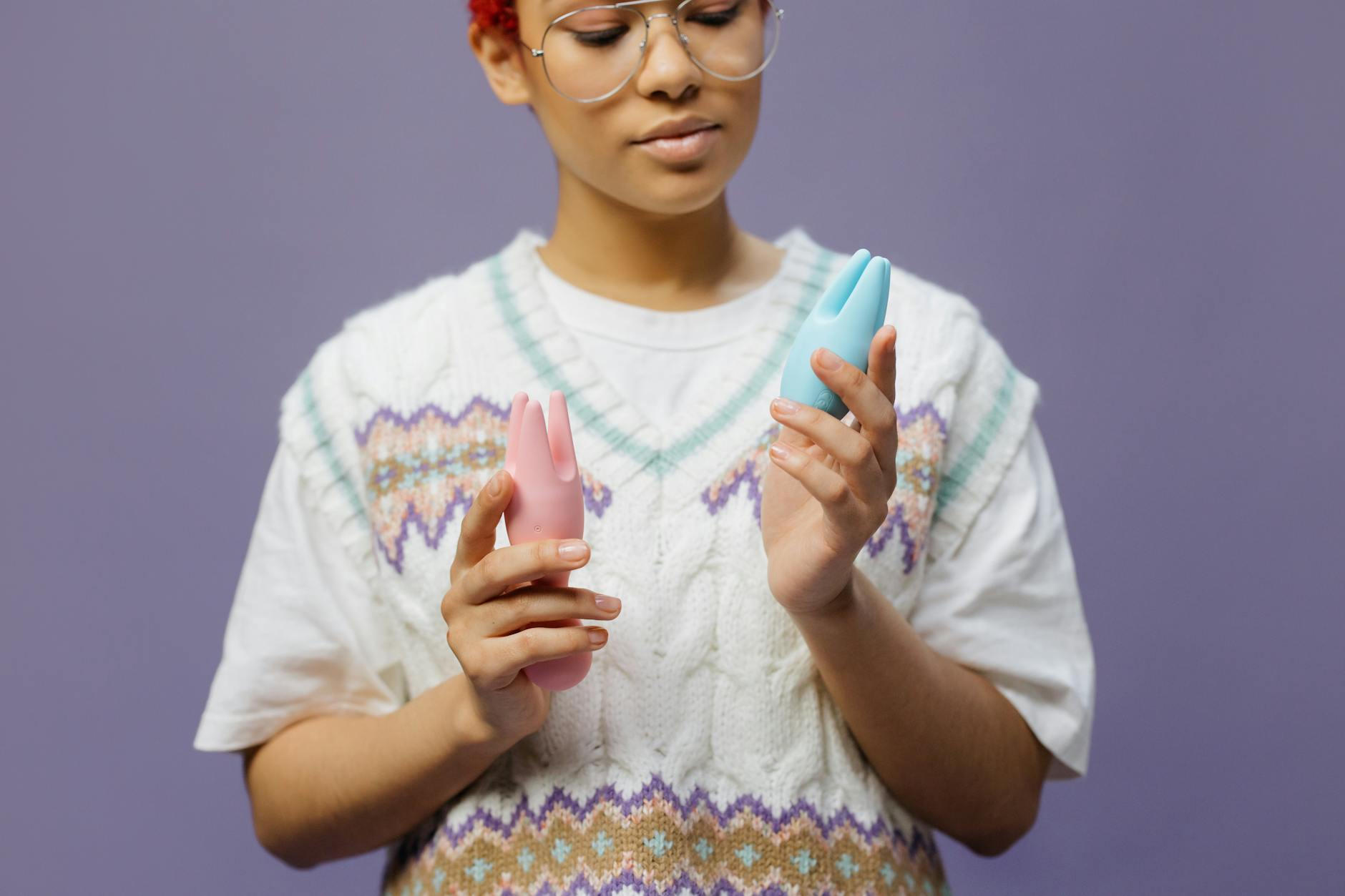
Photo by cottonbro studio on Pexels
When numbness is tied to relationship or emotional patterns
Honestly, this is where the real work lives. Physical tools help. But if numbness arrived because you don't feel safe with your partner, or you've been performing pleasure for years instead of feeling it, or intimacy represents obligation rather than desire, a vibrator alone won't fix that.
If you have a partner, this conversation matters. "My sensation has dulled and I'm working on rewiring it" is different from "I'm not attracted to you anymore." Name the distinction. Invite them into the process if you want to, but also know that solo exploration often helps first. When you rediscover your own pleasure pathway, partnered pleasure becomes easier.
If you're working through this alone, rebuilding sensation after numbness sometimes means reconnecting with your body outside of sexual contexts first. Touch yourself in a shower and notice texture. Dance and feel your skin move. Sit still and breathe. These aren't sexual acts, but they're how your nervous system remembers that sensation is safe.
The medication and medical angle
If numbness started after beginning a new medication, absolutely discuss this with your prescriber. Don't just stop taking something, but do mention it. SSRIs especially can reduce sensation, and sometimes switching to a different class, adjusting timing (taking it after sex instead of before), or adding an additional medication to counteract the effect actually helps.
If you've been postpartum, breastfeeding, or in early menopause, hormonal shifts are likely. Topical estrogen cream (applied to vulval tissue) can improve sensation dramatically in 2-4 weeks. It's not systemic absorption in most cases. Worth asking your doctor about.
If numbness is new and sudden (especially if combined with pain, discharge, or other changes), get checked out. Rarely, sudden sensation changes signal something needing attention. Most of the time it's stress or hormones. But worth confirming.
FAQ: Sensation, numbness, and lemon vibrators
How long does it take to rebuild sensation after it's been numb for months or years?
It varies. Some people notice shifts within 2-3 weeks of intentional rewiring. Others need 2-3 months. The longer numbness has persisted and the more layers of stress or disconnection feeding it, the longer reversal typically takes. But it does come back. I've worked with clients who were convinced they'd permanently lost sensation and rediscovered it fully. Consistency matters more than speed.
Can I use my lemon vibrator too much and make numbness worse?
Overuse (daily, multiple times daily, for months) can sometimes create habituation where sensation flattens again. But moderate use (a few times weekly) actually rewires your nervous system without causing new desensitization. If you find yourself needing higher and higher intensities to feel anything, scale back to lower patterns and build more slowly.
Does numbness mean I'll never orgasm again?
No. Orgasm is possible even with reduced sensation, though it might feel different. Some people with chronic numbing report that when sensation does return, orgasms become more intense, not less. The blockage was the numbness itself, not a permanent loss of capacity.
Should I use my lemon vibrator alone or with a partner when rebuilding sensation?
Start alone if possible. Solo exploration removes the pressure to perform or finish on someone else's timeline. Once you've reestablished your own pleasure pathway, partnered use becomes more intuitive. That said, if your partner is supportive and you want their presence, that's valid too. Just make sure the focus stays on your sensation, not on their experience.
What if I use my clitoral vibrator and feel pain instead of numbness?
Pain is different and needs different care. Stop using the vibrator at that intensity and consider seeing a pelvic floor physical therapist or gynecologist. Sometimes pain and numbness coexist (your nervous system protecting tissues), and sometimes pain means tissue sensitivity that needs gentler approach. How to Use Lemon Vibrators When Your Pelvic Floor Feels Tight and Tense covers this in more depth.
Is numbness a sign my relationship is ending?
Not necessarily. Numbness is a sign your nervous system is dysregulated. Sometimes that dysregulation is about the relationship. Sometimes it's about stress, health, medication, or just life overwhelm. The only way to know is to slow down and check in with yourself honestly. Often numbness is your body's way of protecting you while you figure something out. Listen to it, but don't catastrophize it.
What comes after sensation returns
Once you rebuild baseline sensation, pleasure gets simpler. Not easy necessarily, but simpler. You're no longer fighting to feel something. You're just experiencing what's actually there.
Most people find that lemon vibrators become part of their pleasure toolkit at that point, not a workaround. They use them because they enjoy them, not because they're the only way to feel anything. That distinction matters. It means you've moved from crisis to choice.
If you're starting this journey now, be patient with yourself. Your body didn't shut down sensation to punish you. It did it to protect you. Rebuilding trust with your nervous system takes time. And it's worth it.