
Let's start with what perimenopause actually is
Perimenopause is not the warm-up act before menopause. It's a completely different show. For 4 to 10 years, your body is in active transition. Estrogen bounces around like a drunk guest at a party. One week you're flooded. The next week your levels crater. Progesterone does the same thing. This isn't a slow decline. It's a chaotic swing.
And here's what nobody tells you: perimenopause messes with pleasure in ways that feel random because they are.
What actually changes during perimenopause
Unlike menopause, where hormone levels settle at a new (low) normal, perimenopause is volatile. Some days you feel like yourself. Other days your body feels like a stranger's.
Three main things shift:
Arousal timing becomes unpredictable. Early perimenopause, some people report heightened sensitivity and faster arousal. Mid-perimenopause, that can flip overnight. Your clitoris might feel numb one week and overly responsive the next. You're not imagining this. Your estrogen receptors are literally getting fewer signals to work with.
Lubrication gets spotty. Not gone. Spotty. You might have plenty one day and nothing the next. This isn't about desire. It's tissue response to fluctuating hormones. The vaginal pH also shifts, which can make certain sensations feel uncomfortable when they never did before.
Pelvic floor tension increases. Estrogen supports pelvic floor elasticity. When it's swinging wildly, that muscle group tightens unpredictably. You might notice your orgasms feel different. Tighter. Less expansive. Or alternatively, the pelvic floor relaxes too much and sensation flattens.
The kicker: all of this can happen within the same month.
Why clitoral vibrators become differently useful
During perimenopause, your clitoris hasn't lost sensitivity. It's receiving inconsistent signals. A clitoral vibrator like The Lem works because it bypasses the guesswork. Instead of waiting for your body to respond naturally, you're creating consistent, targeted stimulation that doesn't depend on how much estrogen showed up today.
This is not cheating. This is adapting.
When arousal takes longer (which it often does in mid-to-late perimenopause), a lemon clitoral vibrator lets you get to the point without the frustration of a body that used to respond faster. The suction-based stimulation that air-pulse vibrators like The Lem provide also works better than traditional vibration during this phase because it creates broader nerve activation without the direct friction that can feel too intense on unpredictable tissue.
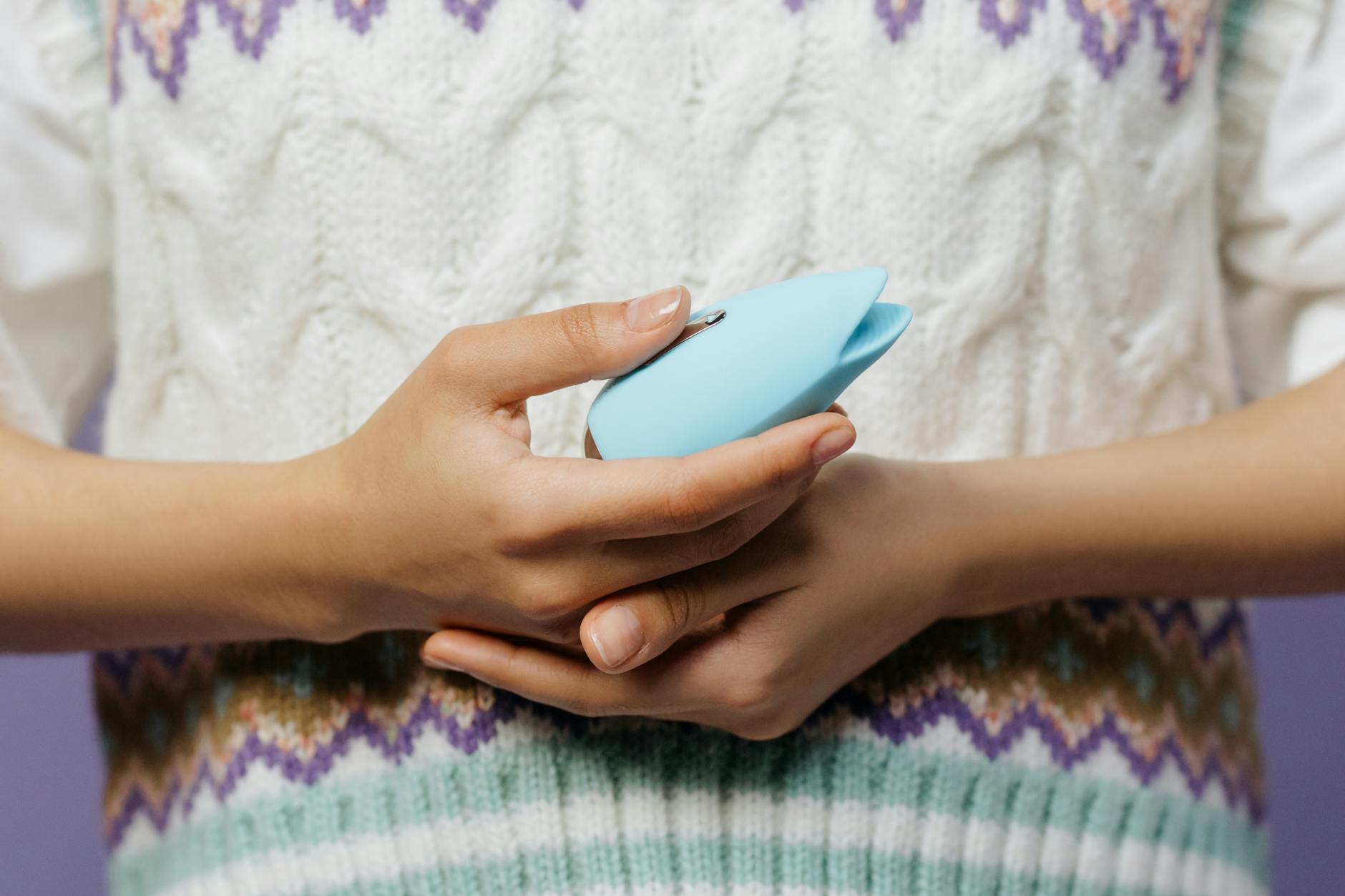
Photo by cottonbro studio on Pexels
The practical adjustments that help
Track your cycle (or what's left of it). I know perimenopause makes periods weird. Heavier, lighter, skipped months, surprise bleeding. But if you notice a pattern in arousal or sensitivity, knowing your cycle helps. Some people find desire spikes during ovulation even in perimenopause. Others notice easier orgasms in the luteal phase. The data matters because it removes the shame of "my body's being weird" and replaces it with "ah, I see the pattern."
Start on lower settings. Whatever setting you were using before might feel too intense now. The Lem has multiple intensity levels for exactly this reason. Start at pattern 1 or 2, even if you used to jump straight to 4. Your clitoris isn't broken. The sensation pathway is just different right now.
Use lubrication every time, even if you don't think you need it. Water-based lube isn't a sign something's wrong. It's preventative care. Tissue that's fluctuating in estrogen support benefits from it. It makes sensations smoother and prevents the micro-abrasions that can happen with inconsistent lubrication.
Extend your warm-up. Arousal takes longer in perimenopause. Budget 15 to 25 minutes of touch and attention before introducing a vibrator. This isn't lost time. This is honoring how your body works right now. Mental arousal matters more during this phase, so presence and focus actually do change the experience.
Pelvic floor release before pleasure. If you notice tension, spend 2 to 3 minutes on pelvic floor relaxation before sex or solo play. Deep breathing into your pelvic floor, or gentle stretching like child's pose, helps. A tight pelvic floor won't prevent orgasm, but it will change the quality. Releasing first means fuller sensation.
The mindset piece that changes everything
Here's what I see in my practice: perimenopause doesn't change your capacity for pleasure. It changes the route to get there. And that route is different every month.
The women who struggle most aren't those whose bodies changed. They're the ones who expected their bodies not to change. They treat perimenopause like a malfunction instead of a transition. Then they get frustrated when their pleasure doesn't work the old way.
Your pleasure isn't disappearing. It's relocating. Sometimes it's faster. Sometimes it needs more time. Sometimes it needs different touch. The point is: you get to keep exploring.
Using clitoral vibrators during perimenopause isn't settling. It's being strategic. You're not compensating for loss. You're accommodating change. There's a real difference.
When to talk to a doctor
If you're experiencing pain during stimulation, that's worth mentioning to your gynecologist. Genitourinary syndrome of menopause (which can start in late perimenopause) is treatable. If you notice a sharp drop in desire alongside other perimenopause symptoms like hot flashes or sleep disruption, that's also worth flagging. Sometimes desire dips because progesterone is in the basement, and that's fixable.
If you're on hormonal birth control, perimenopause symptoms might look different because you're still getting synthetic hormones. Your doctor can help you figure out what's perimenopause and what's medication interaction.
FAQ: Perimenopause, pleasure, and lemon vibrators
Can using a vibrator make perimenopause symptoms worse?
No. Orgasm actually helps perimenopause symptoms. It reduces hot flashes, improves sleep, and regulates mood. If vibrators help you access pleasure more easily during a phase when your body is unpredictable, that's a win. The only caution is if you have pain, in which case see a doctor first.
Is it normal for my clitoris to feel numb some days and sensitive other days?
Completely normal in perimenopause. Estrogen supports nerve sensitivity in the clitoris. When your estrogen is fluctuating, so is that feedback loop. This doesn't mean your clitoris is permanently less sensitive. It means you're in a variable state. Air-pulse vibrators work well during these phases because they create broader stimulation that doesn't depend on baseline sensitivity.
Should I stop using vibrators if I want to preserve natural sensitivity?
This is a myth. Using vibrators doesn't desensitize you permanently, and it certainly doesn't make perimenopause symptoms worse. Your clitoris has roughly 8,000 nerve endings. A vibrator uses a fraction of them. Regular use doesn't wear them out.
Will hormonal therapy fix my pleasure issues during perimenopause?
Sometimes, yes. If your desire has completely disappeared and it correlates with severe hot flashes and other perimenopause symptoms, hormone replacement therapy (HRT) can help. But desire is complicated. It's also tied to relationship satisfaction, stress, sleep, and mental health. HRT isn't the only lever. Tools like lemon vibrators, longer warm-up, and permission to slow down all matter too.
Is it okay to use vibrators more frequently during perimenopause?
Yes. During uncertain times, regular self-pleasure can actually help you understand your body better. You'll notice patterns. You'll learn what feels good this week. That information is valuable. And orgasms during perimenopause are actually beneficial for overall health, so the idea that you should be conservative is backwards.
What if I have a partner? Should they know my pleasure needs are changing?
Yes. Perimenopause is a conversation, not a surprise. Telling a partner "my arousal takes longer now" or "I need more sensation" removes the guessing game. It also removes the shame that can build when bodies change. Partners who understand the biology are usually relieved. It means it's not about them or the relationship. It's a phase your body is moving through.
The actual truth about perimenopause and pleasure
Your pleasure isn't vanishing. The pathway is shifting. Some days it'll feel slower. Other days you might surprise yourself with intensity. This is the work of perimenopause. And it's not permanent.
Tools like lemon clitoral vibrators exist because bodies change. Because arousal is complicated. Because you deserve pleasure that meets you where you are, not where you used to be. That's not a compromise. That's wisdom.
You can read more about other hormonal transitions in our post on how to use lemon vibrators when your sensitivity changes with hormonal shifts, or explore how to use lemon vibrators when arousal takes longer to build for other practical strategies.
If you have questions about your specific situation, reach out at /contact. We're here to help.