How to Use Lemon Vibrators When Desire Feels Confusing After Relationship Shifts
Here's the thing nobody warns you about: when a relationship ends, shifts, or transforms, your desire doesn't just dial down. It gets scrambled. You might feel nothing where you used to feel everything. You might want things you've never wanted before. Or you might want exactly what you've always wanted but feel guilty, confused, or unsure whether that desire is even yours anymore.
This isn't dysfunction. It's your nervous system recalibrating.
When you've been in a long-term relationship, your body learns to respond within that specific context. Your partner's touch, the timing of your encounters, the familiar pressure and rhythm. Even the emotional safety you built together shapes how your pleasure works. Then something shifts. A breakup. A separation. A reconciliation. A renegotiation of the relationship's terms. Your body is suddenly operating in unfamiliar territory, and desire becomes confusing.
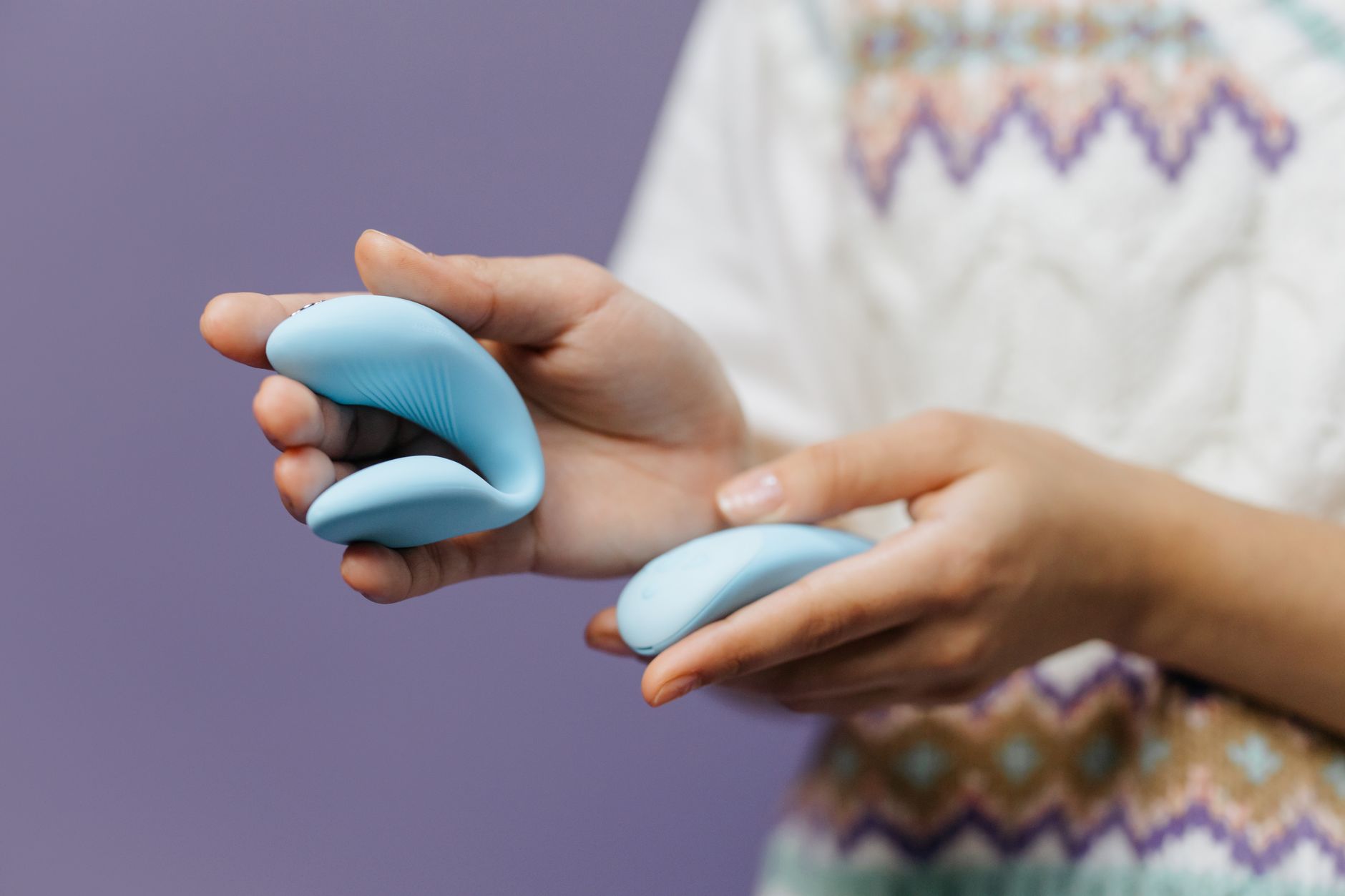
That's where lemon vibrators come in. Not as a replacement for a partner, but as a tool to help you rebuild your own pleasure baseline. Solo exploration with a device like the Lemon Clitoral Vibrator gives you a chance to separate what your partner wanted from what you actually want. It's remarkably clarifying.
Why desire gets scrambled during relationship transitions
When you're coupled, your arousal often becomes a two-person equation. You might be responsive to your partner's timing instead of your own. You might prioritize their pleasure or their experience of you. You might suppress certain desires because they don't fit the relationship's rhythm or because you're worried about judgment. Even without any of these things being dramatic, they add up. Your body has been trained to respond within a very specific context.
Then the context changes. Your nervous system doesn't know what the new rules are. Is sex on the table? When? With whom? Is solo pleasure okay or does it feel like a betrayal? Do you even want to be touched right now? The baseline shifts, and suddenly you're not sure what you want at all.
This confusion is normal and actually a sign that you're waking up to your own desires rather than someone else's. The work is figuring out which is which.
Starting with zero expectations
The biggest mistake people make when they start using lemon vibrators after a relationship shift is expecting themselves to feel something immediately. They pick up their device, get five minutes in, feel nothing special, and assume something is broken.
It's not. You're just operating under new conditions, and your body needs permission to figure out what that means.
Start by setting a specific time when you know you have at least 20-30 minutes alone. Not in a rush. Not waiting for someone to come home. Genuinely alone. Get comfortable. You might watch something that appeals to you, or you might just sit with your own thoughts. The goal is to notice what actually interests you right now, absent any partner's preferences.
When you use the Lemon Clitoral Vibrator for the first time post-transition, start at the lowest setting. The suction technology is different from what you might be used to if you've never used a clitoral vibrator before. It's gentler than you'd expect, and it rewards patience. Spend five minutes just noticing sensation. What does it feel like on the hood of your clitoris versus directly on it? Does one pattern feel more interesting than another?
This isn't about orgasm. It's about gathering data about yourself.
The permission question nobody asks
After a breakup or major relationship shift, pleasure can feel tangled up with guilt or disloyalty. If the relationship is ongoing but changed, there might be questions about whether solo pleasure is acceptable. If it's a separation, you might worry that wanting pleasure means you've "moved on" too fast.
Here's what I tell clients: your pleasure is yours. Full stop.
Using lemon sexual toys isn't a statement about your relationship or a replacement for your partner. It's you finding out who you are when nobody else's desires are in the room. That information is valuable regardless of what happens next. If the relationship heals, you come back to it knowing more about yourself. If it ends, you're not starting from zero when you're ready to explore with someone new.
The permission has to come from you first.
Building a solo pleasure practice
After the initial exploration, the next phase is consistency without pressure. I'd suggest setting aside 15-20 minutes once or twice a week for solo time with your lemon vibrator. Same time if possible, so your body starts to anticipate it. This trains your nervous system that pleasure is safe and regular, which makes arousal easier to access.
During this time, notice what's actually turning you on. Is it visual? Audio? Pure sensation? Memory? Fantasy? A mix? There's no right answer, but knowing your own answer is crucial. A lot of people discover during this phase that what got them excited in their old relationship doesn't actually work when they're alone. That's valuable feedback.
Try different patterns and intensities. Start low and work up. Most people find that once they've given their body time to warm up (usually 10-15 minutes), higher intensities feel better. The Lemon Clitoral Vibrator has variable settings for a reason. You're looking for the sweet spot where sensation is strong enough to feel good but not so intense that you tense up.
If your mind wanders, that's not failure. During relationship transitions, your brain can hijack pleasure time with anxious thoughts. That's normal. When you notice it, gently return your attention to sensation. What does the vibration feel like right now? Can you feel your heartbeat? What would feel good next?
When desire stays quiet and that's okay
Sometimes after a relationship shift, sexual desire just doesn't wake up on its own. You use your lemon vibrator, follow all the steps, and feel... pretty much nothing. No spark. No building arousal. Just sensation that's pleasant but not exciting.
This is also normal. Desire sometimes needs more time. It sometimes needs better stress management, more sleep, or the emotional weight of the transition to actually lift. You can't force desire to show up. What you can do is show up consistently, use your tool, and gather whatever sensation is available without judgment.
Some days that might be nothing. Some days it might be a full orgasm. Both are fine. The point is that you're staying in touch with your body and not waiting for a partner to give you permission to experience pleasure.
If weeks go by and you feel completely disconnected from pleasure, that can be worth checking in with a therapist about. Sometimes desire shutdown is part of depression or anxiety. Sometimes it's a sign that there are bigger emotional things to process before solo pleasure makes sense. That's not a personal failing. That's just information.
When a new partner enters the picture
If you're rebuilding your solo practice and a new relationship starts forming, the dynamics shift again. You're working on finding your own baseline while also having a new person in the mix. That can feel chaotic.
The thing to protect is your solo practice. Keep using your lemon vibrator on your own schedule. Keep learning what you want when it's just you. Then when you're intimate with your new partner, you're bringing them information about yourself instead of a blank slate.
You might tell them: "I've learned that I need longer warm-up time than I used to" or "I really like this specific kind of stimulation" or "I want to try some new things." That comes from solo exploration. You can't communicate what you don't know about yourself.
Some couples also integrate solo play into partnered time. Your partner watches while you use your lemon vibrator. You both enjoy each other's pleasure. Some people do solo play on the same night but separately. Different approaches work for different couples. The key is talking about it ahead of time instead of assuming the person you're with will intuitively know what you want.
Recognizing when desire is actually returning
After a relationship shift, real desire usually returns in stages. It doesn't come back all at once. First might be a flicker of curiosity. Then sustained attention. Then actual arousal. These stages might be weeks apart.
The first sign that something's shifting is usually when you catch yourself thinking about pleasure when you're not actively trying to. You're in the shower and you think about your lemon vibrator. You're reading and a thought surfaces. You're daydreaming about touch. That's your desire waking up. Those little moments are the precursors to bigger arousal.
When you notice those moments, you can use them as an invite. Instead of waiting for your scheduled solo time, you might take 10 minutes right then. Follow the thread of curiosity. What's your body actually asking for?
After enough of those small moments, real arousal starts to feel possible again. You use your device and something actually builds. Your breath changes. Your muscles engage. You feel genuinely pleasure instead of just pleasant sensation. That's you coming back online.
The role of self-compassion in the process
One thing I notice with people navigating desire after relationship shifts is that they're often pretty hard on themselves. They think they should be bouncing back faster. They think their body should know what it wants instantly. They judge themselves for feeling confused or numb or weird.
Be gentler than that. Your body is doing important work. It's processing a loss or a major change. It's figuring out new safety conditions. It's learning that pleasure is something you can access on your own terms. That takes time.
Using lemon sexual toys during this phase isn't weakness or backfilling an old relationship. It's you actively choosing to rebuild intimacy with yourself. That's strength. The clitoral vibrator is just a tool. The real work is showing up consistently and staying curious about what your body actually wants.
People also ask
How long does it usually take for desire to return after a breakup?
There's no standard timeline. Some people feel it shift within weeks. Others take months or even a year or longer. It depends on the intensity and length of the relationship, what caused the shift, your baseline stress and health, and how much work you're doing to process the transition. Consistent solo exploration with a lemon vibrator can help accelerate the process, but it's not a magic fix. The timeline is yours.
Is it normal to feel guilty using a vibrator after my relationship ends?
Completely normal, especially if you were in a long relationship and your partner was your primary source of pleasure for years. Your body might interpret solo pleasure as infidelity or rejection of them. That's just conditioning. Remind yourself: pleasure is part of your life with or without a partner. Using lemon vibrators is you maintaining intimacy with yourself, not a statement about your ex or your relationship. The guilt usually fades as you practice.
Should I tell a new partner that I use a lemon vibrator?
That depends on your comfort level and the relationship's trajectory. There's no obligation to disclose, but there's also no shame in it. If the relationship is moving toward intimacy, you might say something like "I've been exploring solo with a clitoral vibrator during this transition period, and I've learned some things about what feels good for me." You're providing context. Most partners find that information helpful. If someone reacts poorly to the existence of your solo pleasure practice, that's useful information about compatibility.
Can using vibrators make it harder to orgasm with a partner?
This is a common worry and mostly myth. Vibrators don't "desensitize" you in a permanent way. They're just a different kind of stimulation. Your body can enjoy both. What sometimes happens is that people discover solo orgasms are easier or more reliable than partnered ones, which is actually really helpful information. It means you might need different touch, different timing, or a combination of solo and partnered stimulation to get there with someone else. That's not dysfunction. That's just data.
What if I'm using a lemon vibrator but still feel nothing?
First, make sure you're giving it enough time. Twenty to thirty minutes minimum. Second, check your stress level and sleep. Arousal is hard to access when you're running on fumes. Third, notice if you're in your head about performance or outcomes. Arousal dies under pressure. If you've given it consistent time over several weeks and genuinely feel nothing, it's worth talking to a therapist. Sometimes desire shutdown is part of depression or a symptom that bigger processing needs to happen.
Can I use lemon vibrators while I'm still in the relationship but things have shifted?
Absolutely. If the relationship is ongoing but changed (maybe you've grown in different directions, or there's been a betrayal you're working through, or the dynamic has just shifted), solo exploration with your lemon clitoral vibrator is still useful. You're learning about yourself, which helps you show up more authentically in the relationship. You might also use it to reconnect with pleasure while working through the relational shift. Just be clear with yourself and your partner about what's happening and why.
You already know what you want. You just forgot for a while.
After a relationship shift, the confusion around desire isn't a sign that something's wrong with you. It's a sign that your pleasure got tangled up with someone else's presence for a while. Using lemon vibrators and taking time for solo exploration isn't about replacing a partner or moving on. It's about remembering that you exist as a sexual being independent of any relationship status.
That information matters whether you end up single long-term, jump into something new, or reconcile with the person you were with. You're not starting from zero. You're rebuilding from a place of genuine curiosity about yourself.
Start small. Show up consistently. Give yourself permission. The rest will follow.