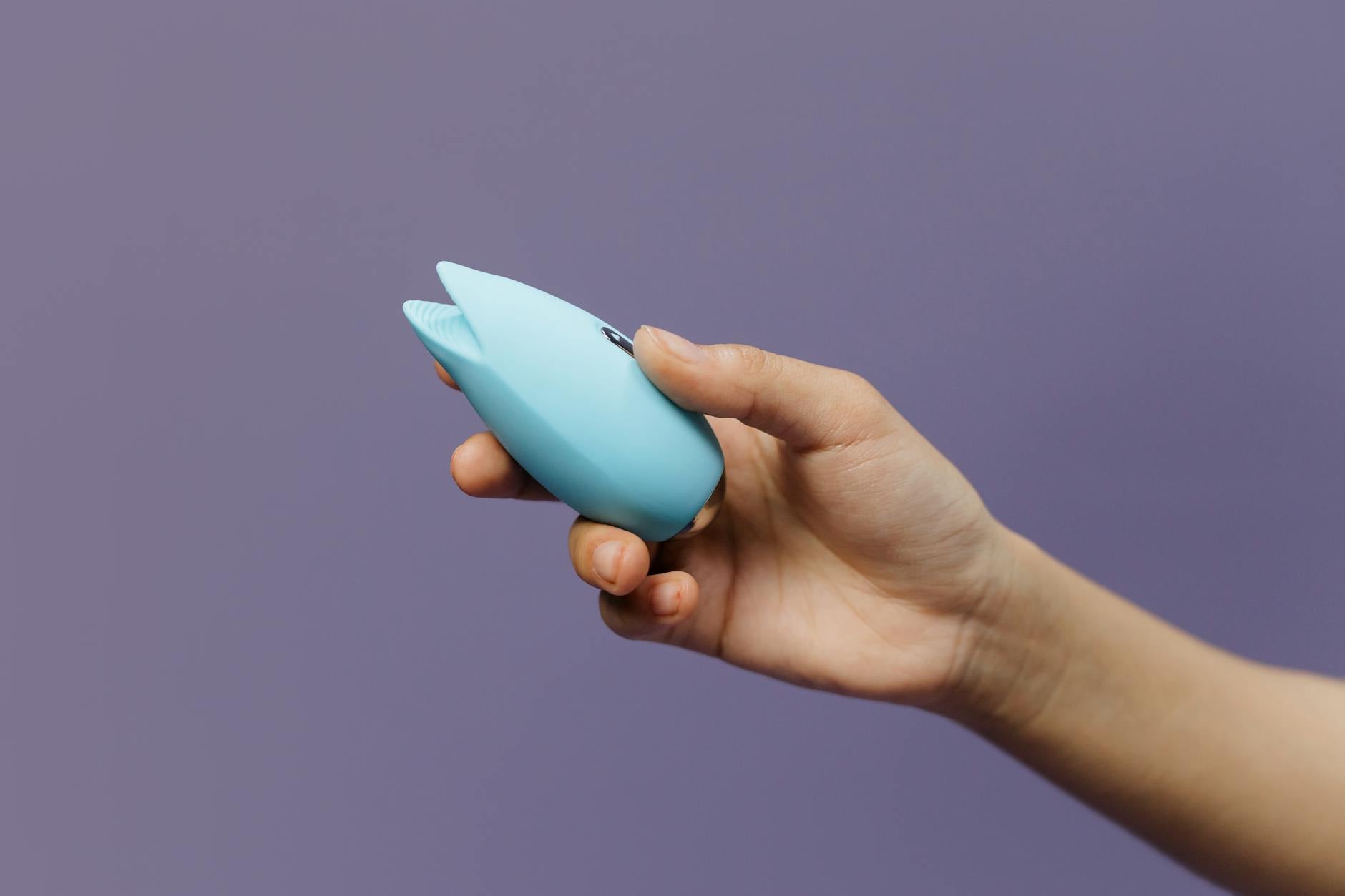
How to Use Lemon Vibrators When Birth Control Changes Your Clitoral Sensitivity
Let's start with the thing nobody warns you about when you start a new birth control method: your clit might feel like a stranger for a while. Not broken. Not gone. Just... different.
Birth control changes hormones, which changes blood flow to the genital area, which changes sensitivity, arousal speed, and orgasm intensity. If you just started the pill, switched to an implant, got an IUD, or went back to condoms, your clitoral vibrators might feel too strong, too soft, or completely unpredictable. That's not a sign you picked the wrong toy. It's a sign your body is recalibrating.
Here's what's happening physiologically, why it matters, and how to use tools like the Lemon clitoral vibrator while your sensitivity is in flux.
How hormonal birth control affects clitoral sensation
This gets a little technical, so bear with me. Estrogen and progesterone influence blood vessel function, tissue elasticity, and nerve sensitivity. When you introduce hormonal birth control, these hormones spike or drop depending on the method. That shift changes how much blood flow reaches the clitoris during arousal, which directly affects how quickly you feel sensation and how intense that sensation is.
Combination pills (estrogen plus progestin) often increase blood volume in the genitals. That sounds good, but more blood can sometimes feel like numbness because the tissue becomes slightly more engorged and less responsive to fine vibrations. Progestin-only pills, implants, or hormonal IUDs can do the opposite, reducing blood flow and making sensation feel muted or delayed.
Non-hormonal methods like copper IUDs, condoms, or diaphragms don't change your hormones, so why would sensitivity shift? Psychological factors, relationship changes, or the simple fact that condoms reduce direct sensation of skin-on-skin contact. It's not your clitoris that changed. It's the input it's receiving.
The first three months are not normal
If you just started birth control within the last 90 days, do yourself a favor: don't assume your new sensitivity baseline is permanent. Your body takes about 12 weeks to fully regulate on a new hormonal method. During that adjustment period, clitoral sensitivity can shift week to week, sometimes day to day.
What this means for you is simple. Don't retire your lemon vibrators. Don't decide the toy doesn't work for your body yet. Instead, treat the first three months as an information-gathering phase. Track how you feel on different days of your cycle or shot schedule. Notice whether mornings feel different than evenings. See whether sensitivity is shifting up or down over time. Most people find that by week 12, their body has settled into a new normal that's either equally good or genuinely better than before.
Starting lower intensity and building up
When sensitivity is in flux, the instinct is usually to go harder. More intensity sounds like it will compensate for numbness. But that's almost always the wrong move. If your clitoris feels less responsive than it used to, adding more power often just numbs it further because you're fatiguing the nerve endings without letting them register pleasure first.
Instead, start on pattern 1 or 2 on your Lemon vibrator. Let the toy work for 10 to 15 seconds at the lowest setting. Pay attention to what you feel. Is there a tingle? A light buzz? Nothing yet? If nothing, move to pattern 3, wait again, and keep a mental note of which intensity level first triggered a clear sensation.
That's your baseline for now. Use that intensity for the next few days. Your clitoris will adapt and sensitivity will probably shift up by day 3 or 4. When it does, you can gradually move to higher patterns. The goal is to find the sweet spot where you feel pleasure clearly, not the maximum power your toy can deliver.
Timing matters more than you think
Clitoral sensitivity also varies throughout your menstrual cycle, and birth control changes how that cycle works or eliminates it entirely. If you're on a pill with a hormone-free week, expect your clitoris to be most sensitive during days 5 to 10 after you start the hormone-free days. If you're on a continuous or extended-cycle pill, sensitivity usually plateaus and stays relatively even.
The practical move: mark your calendar. Start tracking when you use your lemon clitoral vibrator and how it feels. After a month or two, you'll probably see a pattern emerging. Are your best orgasms on days 10 to 14 of your cycle? Do they happen consistently on days 18 to 21? Once you know your sensitivity window, schedule solo time or partnered pleasure during those days when your body is naturally more responsive. It's not magic. It's just working with your physiology instead of fighting it.
Lubrication becomes non-negotiable
When hormonal birth control reduces blood flow or tissue elasticity, the clitoris doesn't swell as much during arousal. That means less natural lubrication, which sounds like a small thing until you're trying to use a clitoral vibrator and the friction feels off or uncomfortable.
Add water-based lube. Apply it to your clitoris before you start, not after you're already stimulating. A small amount (about a fingertip worth) helps the vibrations transmit smoothly without creating resistance that feels like numbness. Reapply every 3 to 5 minutes if you're going longer than that. Don't skimp. Lube isn't a backup plan when birth control affects your body. It's part of your baseline setup now.
The warm-up window gets longer
Arousal that used to take 10 minutes might now take 15 or 20. That's not a sign something is wrong. That's just how birth control shifts your nervous system's response time. Hormones regulate how quickly your parasympathetic nervous system activates, which is what kicks arousal into gear.
Budget more time before you even touch your lemon vibrators. Read something that turns you on. Watch something that appeals to you. Think about a fantasy. Spend time touching your body without the toy. Let your mind and your nervous system catch up to the fact that you're in a sexual context. Then, once you feel that first flutter of arousal in your chest or that subtle awareness in your genitals, introduce the vibrator. You're not dragging out the process. You're matching the process to your body's current speed.
When sensitivity rebounds, adjust your patterns
Here's the plot twist nobody expects: sometimes clitoral sensitivity gets better on new birth control, not worse. If you switched from a progestin-heavy method to a lower-dose version, or from hormonal to non-hormonal, your sensitivity might spike in week 8 or 9. When that happens, patterns that felt perfect suddenly feel too intense.
Don't panic and switch toys. Instead, shift back down to a lower pattern or use a gentler technique. Instead of holding your Lemon vibrator directly against your clitoris, try applying it to the surrounding tissue, the mons pubis, or the shaft of the clitoris instead of the head. That redirects the sensation and gives you a slightly less direct stimulus while you adjust to your new baseline. Within a week or two, you'll probably be able to go back to your preferred pattern as your nervous system normalizes to the new sensitivity level.
When to talk to your doctor about it
If sensitivity loss is still significant at the three-month mark, or if it's paired with other symptoms like zero sex drive, painful intercourse, or depression, talk to your gynecologist. This could indicate that the current birth control method isn't right for your body. You might need to switch to a different formulation, try a different type of hormonal method altogether, or explore non-hormonal options.
The clitoral vibrators from The Lemon Adult Toys are designed to work with your body across different sensitivity levels. But birth control that tanks your entire experience of pleasure isn't the right birth control, full stop. Better options exist.
The patience piece
Birth control is a long game. Your body needs time to adapt, and your pleasure patterns need time to re-establish themselves on whatever new hormonal baseline you're on. Using tools like clitoral vibrators during this transition period actually helps because you're gathering real data about what your body feels and when it feels good. You're not guessing.
Most people find that by month four or five, they've got a new rhythm that works as well as or better than their previous setup. Your lemon vibrators stay the same. Your technique adjusts. Your timing adapts. And somewhere around week 16, you realize you haven't thought about the sensitivity shift in days because your body and your toy have figured out their new language together.
People also ask
Will switching birth control methods always affect clitoral sensitivity?
Most hormonal changes will shift sensitivity to some degree, but the size of that shift varies widely. Some people barely notice a difference. Others feel it dramatically for a few weeks and then adapt. Non-hormonal switches (like going from the pill to a copper IUD) might affect sensation indirectly through psychological factors, but you're not changing your hormones. Track your own experience instead of assuming everyone's body works the same way.
How long does it take for clitoral sensitivity to restabilize after starting birth control?
Usually between 12 and 16 weeks. The first three months are the adjustment period. By week four, most people see patterns emerging. By week 12, sensitivity has typically leveled off to its new baseline. Some people experience shifts at the three-month and six-month marks because their body is continuing to recalibrate. Give yourself at least four months before deciding a birth control method isn't working for your pleasure.
Can I use a clitoral vibrator while my sensitivity is fluctuating?
Absolutely. In fact, using a lemon clitoral vibrator during the adjustment period helps you gather data about what your body actually feels versus what you expect to feel. Start at lower intensities, be patient with your arousal timeline, use lube, and track what works on which days. You're not pushing through a problem. You're learning your new sensitivity map.
Should I use a different vibrator pattern if my birth control changes my sensitivity?
Not necessarily. The toy stays the same. Your technique changes. If sensation feels numb, lower the intensity level and add lube rather than switching toys. If sensation feels heightened, use a gentler application point on your clitoris or drop to a lower pattern. Most people find they're using the same vibrator with slightly different strategies, not that they need a completely different toy.
What if birth control has completely killed my desire to have sex?
Differentiate between low sensitivity (which affects sensation) and no desire (which is a motivation issue). If you feel almost nothing in your clitoris, start with the techniques above. But if you have zero interest in sex even when you know stimulation would feel good, that's often a sign the birth control method itself is a poor fit. Talk to your gynecologist. You might need to switch methods, add a supplemental medication, or explore completely different options.
Is reduced clitoral sensitivity a permanent side effect of birth control?
No. Sensitivity almost always rebounds when you stop taking the method, though it can take a few weeks to a couple of months. If you switch to a different birth control, sensitivity usually restabilizes within 12 to 16 weeks on the new method. The changes are hormonal, not structural. Your clitoris isn't damaged. Your nervous system is just responding to different chemical signals.
Next steps
Birth control choices are deeply personal, and how they affect your pleasure is part of that equation. If your current method is shifting your clitoral sensitivity in ways that frustrate you, you have options. Switching methods, adjusting technique, or adding tools like clitoral vibrators from The Lemon Adult Toys all give you ways to stay connected to pleasure even when your body is recalibrating.
If you want to talk through whether your experience is normal, or if you're considering switching methods and want to understand the pleasure implications, reach out. That's what we're here for.